
Best Source for B2B Industry Trends, News and Updates
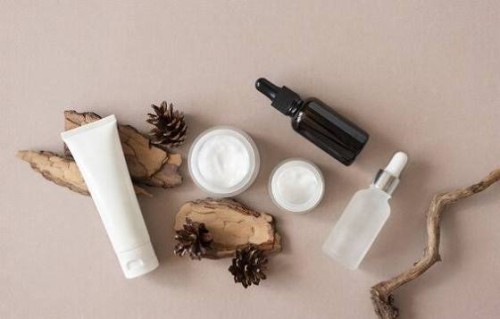
The global skincare market represents a major portion of the beauty and personal care industry. Common skincare categories include facial creams, body lotions, cleansers, serums, sunscreens, lip masks, and other formulas.
According toFortune Business Insights, the global skincare market was estimated at USD 129.11 billion in 2026 and is expected to reach USD 227.13 billion by 2034, representing a CAGR of 7.32% from 2026 to 2034. These growing values show significant opportunities for businesses that offer skincare or other related products.
However, forecast rates may differ between multiple research firms due to differences in market definitions, product coverage, and how consumer purchases are reported. Several factors that contribute to skincare market growth are as follows.
People are becoming more aware of skin health, which encourages them to invest in consistent skincare routines.
Products are continuously evolving and introducing new formulas designed to address specific skin concerns, such as dryness, acne, uneven skin tone, and visible signs of aging.
Online trade through websites or social media platforms has made it easier for buyers and distributors to discover reliable international brands and other specialized products.
Established businesses and brands should update their inventory to meet the latest demand. This helps them create a rough structure of the items they need to manufacture, source, or distribute. The following trends are particularly relevant to skincare brands and B2B suppliers in the year 2026:
Consumers are now exploring the benefits of how consumption is correlated with their skin health. This idea implies that beauty or radiance is not about something you layer on top of your skin or inject artificially.
You can achieve this by supporting your body naturally with the right ingredients. So consumers' interest in beauty-from-within products such as collagen supplements, probiotics, and other ingestible formulations is increasing.
The edible beauty infusions market is expected to reach USD 3,755.5 million in2035, with collagen holding more than half of the segment share, as stated byFuture Market Insights. This makes buyers move away from instant fixes and prioritize lasting vibrance and opens new opportunities for supplement manufacturers and ingredient suppliers.
Before entering this segment, businesses should look out for ingredient quality, applicable regulations, and evidence supporting any skin-related claims.
Buyers are not paying attention to the popular items; instead, they are now making informed purchases after learning what their skin actually wants. Thus, consumers are now checking the ingredients list and buying products that address specific skin problems. Formulations containing ceramides, glycerin, hyaluronic acid, and other moisturizing ingredients are relevant to brands developing products for dry or sensitive skin.
Since most people are increasingly facing dry skin concerns, this trend highlights the growing opportunities for buyers to source gentle products from manufacturers that avoid harsh or chemical surfactants, allergens, or excessive fragrance use. Many brand can also strengthen their brand reputation by purchasing dermatologically tested formulas to target consumers with simpler skincare routines.
This creates opportunities for cosmetic ingredient suppliers and contract manufacturers that produce fragrance-free serums, moisturizers, and cleansers to target redness or acne-prone skin.
Moreover, technology is creating new product opportunities; brands can use new AI-driven technologies to move from manual work to device-based processing. For instance, AI-enabled devices may understand the skin type to recommend a suitable skincare routine or provide customized dispensing of lotion, cream, or moisturizer.
Devices like LED masks, microcurrent tools, and at-home laser gadgets are increasingly popular categories. Manufacturers and distributors are advised to consider all the regulatory compliance, technical specifications, safety testing, customization, and warranty terms before ordering bulk units.
Consumers seeking to address visible signs of aging may demand multifunctional products such as retinol-infused moisturizers, peptide-rich serums, antioxidant creams, or brightening lotions with SPF, which can reduce the appearance of wrinkles and fine lines while also hydrating and repairing the skin.
For example, manufacturers can add kojic acid to night cream to treat dark circles as well. This shows steady innovation, with most brands readjusting their skincare formulas with actives like niacinamide and collagen boosters to generate more revenue.
This helps businesses source products that meet multiple consumer needs. However, buyers should review formulation details, stability and compatibility data, product testing, and evidence supporting performance claims. Products containing SPF require particular attention to applicable testing, labeling, and regulatory requirements in the target market.
Consumers have grown interested in environmentally friendly, ethically sourced skincare products. This trend encourages manufacturers and distributors to use biodegradable exfoliating ingredients instead of plastic microbeads and to introduce reusable or refillable packaging.
This also creates opportunities for plant-based alternatives. For Businesses, these preferences can help them align their strategy with rising demand and verify relevant certifications or sustainability reports before making bulk purchasing decisions.
Online B2B marketplaces likeTradewheel.com,BeauteTrade, andQogitoconnect international buyers with suppliers offering a wide range of skincare products. Buyers should compare multiple offers by price and request samples to assess product quality and consistency, and to verify the supplier's capabilities before placing large orders.
Official supplier websites and social platforms such as LinkedIn, Facebook, and Instagram can help skincare businesses discover wholesale suppliers in multiple markets. Digital channels allow sellers to list specialized products, manufacturing capabilities, and customization without relying entirely on local distribution networks. Trade exhibitions, industry directories, and direct business outreach are other ways that help buyers connect with potential distributors.
Skincare market demand varies by region because of changes in preferences, climate conditions, income levels, retail infrastructure, and regulatory requirements. Businesses seeking opportunities must evaluate each country individually rather than assume every country follows the same demand pattern.
Asia Pacific is the dominant region, holding a 37.40% share and expected to grow at a CAGR of 7.38% through 2031, according to a report byMordor Intelligence.
China, Japan, and South Korea are important markets where consumers are actively inspired by Japanese and Korean beauty products. Common product opportunities include serums, moisturizers, and masks.
Businesses entering the market need to assess local competition, price points, and skincare-related certifications to ensure smooth trade.
Suppliers can focus on cosmetic ingredients, packaging supplies, and finished skincare products.
North America offers opportunities for nourishing, acne, anti-aging, sun protection, and science-backed products and represents greater demand in the US, Mexico, and Canada.
Suppliers can serve these markets by producing harsh-chemical-free, fragrance-free products with consistent quality, supporting documentation, and reliable production times.
When importing bulk products, buyers should ask suppliers for the total landed cost, including freight and customs duty, when comparing overseas suppliers with domestic manufacturers.
Europe is expected to hold a significant market share, with Germany and the United Kingdom as the major driving countries.
The market is projected to reach USD 25.52 billion in 2026. The demand for everyday skincare, premium formulations, and dermatologically approved products is high, but suppliers should assess the market individually to understand major requirements.
European buyers should ask for ingredient descriptions, product safety documentation, and EU cosmetic regulations where required, to confirm safety assessment and product information.
South America holds an 8.17% share in 2025 and is expected to reach USD 10.5 billion in 2026, with surging demand for facial care, body lotions, sun-protection ingredients, and moisturizers.
Middle East and Africa have different consumer preferences. In most parts, hot and dry weather makes hydration and sun-barrier products relevant categories to source.
Potential categories include moisturizers, body lotions, cleansers, sunscreens, and affordable everyday skincare. Distributors may also look for products suited to local price points and packaging preferences to convert relevant inquiries into repeat purchases.
Emerging skincare markets help potential suppliers reach intended markets where beauty product reselling, online purchasing, and consumer interest in skincare are increasing. But an emerging market is not always a suitable trade network, as it hides greater risks.
Startups should look for a country where their products are in high demand, prices are profitable, and infrastructure support is established.
Before deciding to commit to doing business with a new country, companies should consider:
Consumer demand:Identify popular product categories, customer concerns, and local price expectations.
Competition:Compare local brands, imported alternatives, and established international suppliers.
Regulatory requirements:Check product registration, ingredient restrictions, labeling, testing, and import documentation.
Distribution:Evaluate potential importers, wholesalers, retailers, and e-commerce partners.
Landed cost:Include product price, freight, insurance, duties, taxes, storage, and distributor margins in the final offered price.
Supplier reliability:Confirm production capacity, quality-control procedures, lead times, and documentation.
The skincare industry creates opportunities for wholesale suppliers beyond finished beauty products, including.
Finished skincare products:Suppliers can offer cleansers, creams, lotions, serums, and sunscreens to importers and retailers, with consistent quality and clear labeling for repeat orders.
Cosmetic ingredients:Beauty products manufacturers need ingredients such as humectants, preservatives, botanical extracts, and active ingredients. Suppliers should provide appropriate product descriptions, safety documentation, and certificates or test reports where applicable.
Packaging materials:Bottles, jars, tubes, droppers, and airless pumps are essential to skincare production. Packaging suppliers can compete on material quality, customization, MOQ, compatibility testing, and reliable delivery terms.
Private-label manufacturing:Contract manufacturers can serve businesses that want branded skincare products without any brand logo to minimize their production costs. Flexible MOQs, sample development, formulation support, and clear production timelines, with the ability to handle bulk orders, can help attract suitable buyers.
The skincare market in 2026 presents sourcing opportunities across finished products, active ingredients, sustainable packaging, and private-label formulations. However, market growth and consumer trends do not guarantee success in every region or country. So businesses and brands looking to identify trending items to source in 2026 should choose products that align with consumer demand.
But before ordering, they should compare supplier quotations, verify product quality and documentation, and calculate actual shipping costs before placing bulk orders. Evaluating MOQs, production timelines, and shelf life can help businesses make more informed sourcing decisions and build reliable supply relationships.




Key trends driving skincare growth include ingredient-focused formulations, beauty-from-within products, multifunctional skincare, AI-enabled beauty devices, and sustainable packaging.
Buyers should evaluate product specifications, ingredients, samples, MOQ, pricing, shelf life, supplier reliability, required documentation in their destination market, packaging, and shipping costs.
They can compare local product demand, competition, purchasing power, distribution channels, import regulations, and landed costs before selecting a market.