
Best Source for B2B Industry Trends, News and Updates
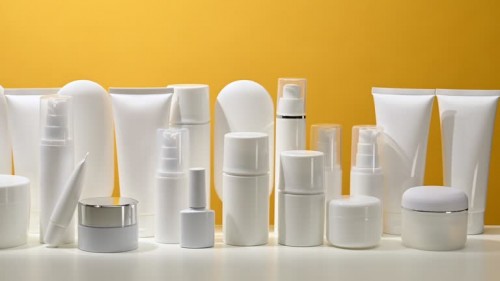
As per the recent industry forecasts, the international cosmetic tube packaging market is all set to expand further in the upcoming years. The industry is expected to reach around USD 7.8 billion by 2034 as brands nowadays look for sustainability, performance, and style. Choosing the trusted and genuine cosmetic tube suppliers is essential to get high-quality tubes, multiple design options, production speed, affordable prices, and sustainability credentials.
This blog will help you to understand why these cosmetic tubes are essential, explore popular types, highlight leading suppliers, and offer tips for choosing the best packaging partners. You’ll find out about different ways to customize packaging and see what trends are coming up in the beauty industry. Let’s get started!

Cosmetic tube packaging is all about protecting your product and your brand. Tube seal creams, lotions, gels, and serums are protected from air and germs. This increases the shelf life and protects the active ingredients of the products. Most of the tubes nowadays come with advanced barrier layers or airless options that prevent contamination and oxidation during use. This is important when formulas are rich in acids, vitamins, or botanicals that are easily absorbed.
These tubes are quite user-friendly; they can easily fit into travel kits, purses, and gym bags. People can easily squeeze the right amount without any messy applicator or dipping fingers into jars. This ease of use easily increases repeat purchases and helps in building brand loyalty.
Well-designed tubes attract customers' attention. Brands can stand out by using bright colors, interesting shapes, and bold finishes. As more customers look for sustainable options, many tubes are now recyclable or made from eco-friendly materials, so brands can support green values without losing quality.
Below are the most popular cosmetic tubes that are widely used in the beauty industry:
The most common choice is plastic cosmetic tubes. They are light in weight and affordable in price. Most of them are made from PE (polyethylene) or include PCR (post-consumer recycled) content, which supports sustainability goals. Plastic tubes work well for creams, lotions, cleansers, and sunscreens. Plastic tubes are flexible and easy to squeeze, which helps with precise dispensing. Since they are affordable to produce in large quantities, many mass-market and mid-tier skincare brands use them.
The next is aluminum cosmetic tubes that deliver strong protection and a premium look. The metal naturally inhibits air and light, which helps sensitive formulas to stay fresh. That makes them ideal for ointments, high-end creams, and formulations with fragile actives. Aluminum tubes are sturdy but still easy to squeeze, and they can be embossed or brushed to create a more luxurious look. They work well for small batches and boutique skincare products. Many luxury brands use them to show a high-quality image and keep their products well-protected.
Laminated tubes are made by bonding several materials in layers, such as ABL and PBL. ABL stands for Aluminum Barrier Laminated and combines aluminum with plastic layers to create a strong barrier. PBL, or Plastic Barrier Laminated, uses several types of plastic bonded together for protection and flexibility. Both types of tubes keep out moisture, air, and contaminants. They are especially useful for products with active ingredients like retinols, AHAs, BHAs, or vitamin C that can be affected by air and light. Many pharmaceutical and dermocosmetic brands use laminated tubes because they work so well.
Eco-friendly cosmetic tubes are becoming more popular as people look for greener packaging. Many brands now use recyclable materials, biodegradable plastics, and tubes made with more post-consumer recycled content. Some new tubes use up to 46% less plastic and help lower CO₂ emissions compared to older versions. Biodegradable tubes break down more easily after they are thrown away, and recyclable mono-material tubes make recycling simpler. By focusing on sustainability, brands can appeal to eco-conscious shoppers and keep up with tougher environmental rules.
|
Category |
Description |
|
Material Quality & Safety Standards |
Ensures tubes protect product integrity and comply with safety regulations. |
|
Customization & Branding Options |
Allows unique printing, shapes, and finishes for stronger brand identity. |
|
MOQ & Scalability |
Flexible minimums help small and large brands grow without inventory risk. |
|
Certifications (ISO, FDA, GMP) |
Demonstrates supplier reliability and quality assurance for global markets. |
|
Pricing & Lead Times |
Impacts cost-effectiveness and speed to market. |
|
Global Shipping & Logistics |
Influences delivery speed and cost, especially for cross-border sourcing. |
Below are the best platforms to find reliable cosmetic tubes suppliers for beauty and skincare brands:
A leading online cosmetic B2B marketplace, BeauteTrade.com is a reliable platform to connect skincare and cosmetic brands with custom cosmetic tube packaging manufacturers from around the world. On this platform, you will find a wide range of cosmetic tubes in plastic, aluminum, and laminated formats, offered by reliable cosmetic tubes suppliers. The platform offers extensive supplier directories, comparison tools, and negotiation support for bulk orders. Cosmetic businesses/brands can easily browse reliable manufacturers, check reviews, and source sample packs to test materials before placing order.
BeauteTrade.com serves brands of all sizes, from new beauty startups to well-known companies. You can find beauty products suppliers from Asia, Europe, and North America on the platform. Sellers offer different packaging options, such as printed tubes, airless tubes, and various closures, so brands have more choices.
Albéa Group is a leading cosmetic packaging company, known worldwide. The company focuses on making tubes for skincare, makeup, and personal care brands, with strong skills in both plastic and laminated tubes. Albéa is known for its design innovation, commitment to sustainability, and global reach. They invest in eco-friendly options, such as recyclable PCR tubes and lighter designs that use less material.
The platform offers a range of tubes, from standard squeeze types to premium airless options with better barrier protection. They work with luxury, mid-range, and mass market beauty brands. The company provides full customization, including digital printing and special finishes, to help brands get noticed.
Tradewheel.com is a global B2B sourcing platform that lists numerous cosmetic tube packaging manufacturers and suppliers. You can search by product type, material, and region, making it easier to find partners who fit specific needs. Tradewheel.com has a vast network of cosmetic tube supplier databases and easy comparison tools. Brands typically find competitive pricing and a variety of tube options ranging from simple PE tubes to multilayer laminated solutions.
The listed cosmetic tube suppliers on Tradewheel.com work with both small indie brands and larger companies that need OEM or ODM services. The site also has messaging and request-for-quote features, so you can talk directly with manufacturers. This flexibility makes Tradewheel.com a good choice for skincare brands that want sustainable cosmetic packaging solutions.
Cosmopak is a cosmetic packaging company that provides tubes, bottles, jars, and accessory parts. Their tube range includes plastic squeeze tubes, airless tubes, and laminated options for products such as emulsions, gels, and lotions. They also offer custom decoration, including silkscreen, offset, and digital printing, to help skincare packaging grab customer attention.
They work with both new and established brands, often helping with design changes and small batch orders. Their global production network offers competitive prices and dependable lead times. Ideal customers are indie brands looking to grow, private label partners, and mid-sized manufacturers who need quality cosmetic packaging.
The market of cosmetic packaging is changing rapidly, with sustainability a major force. Brands are now choosing mono-material tubes that are easy to recycle. It also helps in cutting down waste. In high-end product lines, refillable tubes are also appearing. Smart packaging features such as QR codes, tracking, and tamper-proof seals are also becoming more common. At the same time, most of the brands are moving directly towards simpler designs that show their commitment to the environment.
Manufacturers nowadays are focusing on more recycled materials, creating lighter barrier solutions, and promoting digital printing. The Asia-Pacific countries are major manufacturers and importers of cosmetic tubes. China makes billions every year by exporting cosmetic tubes. On the other side, Europe is focusing more on aluminum and recyclable tubes.
For the success of beauty and skincare brands, cosmetic tube suppliers are important. Tube protects your brands and makes them look attractive to the customers. Choosing the suppliers can impact the overall quality, cost, brand image, and sustainability. Consider online options like BeauteTrade.com, Albéa, Tradewheel.com, Lisson, and Cosmopak to find what fits your needs. Be sure to ask for samples, look for customization choices, and compare prices. Whether you are starting a new line or growing your current one, the right cosmetic tube supplier can help your brand stand out.



The best material depends on your product. However, plastic is an affordable and versatile choice. Aluminum provides strong protection and a premium appearance. Also, laminated tubes are a good choice if you want high barrier performance.
Mostly, the orders take between 4 and 12 weeks to manufacture. The exact time completely depends on customization, order size, and printing needs.