Best Source for B2B Industry Trends, News and Updates
Businesses are now buying in bulk more than ever before. They prefer reliable suppliers who can offer quality products at good prices. This article is a practical guide for companies that want to sell sports equipment at scale. It will help you understand where to sell and how to reach serious business buyers globally.
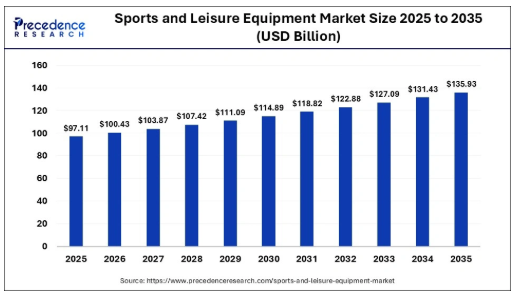
According to Precedence Research, the global sports equipment market was valued at 97.11 billion USD in 2025. By the end of 2026, it is expected to generate revenue of 100.43 billion USD. By 2035, it is projected to reach the value of 135 billion USD with a CAGR of 3.42%.
Before you choose where to sell sports equipment, you need to understand your business model. A manufacturer produces the sports goods, while a distributor buys from manufacturers and sells in bulk. A reseller usually works with smaller quantities.
You also need to decide if you want to sell in bulk, use dropshipping, or build your own private label brand. Bulk selling gives faster revenue, while private labels build long-term brand value. You should also decide whether to sell locally or internationally. Your choice depends on profit margins, shipping costs, storage, and how much control you want over pricing and customers.
Some of the effective ways are mentioned below through which you can sell sports equipment online and can build long term relationships with your customers.
with more businesses shifting online to find reliable suppliers better pricing and faster global trade opportunities
B2BMAP is a global B2B marketplace where suppliers can list their sports equipment products and connect with international buyers. It is useful for manufacturers and wholesalers who want to reach new markets. The platform helps you showcase your products with details and images so buyers can understand your offer easily.
It also supports direct inquiries from businesses looking to buy in bulk. This makes communication simple and fast. Many exporters use B2BMAP to grow outside their local market. It is a good option for companies that want international visibility and steady B2B leads without complex setup or high technical skills required.
Tradewheel.com is a B2B platform where you can find sports equipment buyers from different countries, be it related to indoor or outdoor sports. It is well known for its RFQ system where buyers post requests for bulk products. Sellers can respond with offers and negotiate deals directly. This helps businesses find real buying opportunities instead of just listing products.
It is popular among exporters of sports equipment who want serious wholesale buyers. The platform supports many product categories so sports suppliers can easily list their items. Tradewheel.com is helpful for companies that want quick access to active buyers and international trade opportunities in a simple way.
SportsLife Enterprises is a wholesale supplier network that helps businesses connect with multiple suppliers. It gives access to more than 30 suppliers in different categories of sports equipment. This makes it easier for resellers and retailers to find products in one place. The platform also supports dropshipping which helps sellers start without holding inventory.
This reduces risk for new businesses. It is useful for small and medium sellers who want flexible sourcing options. SportsLife Enterprises focuses on simplifying supply chain management. It helps businesses scale faster by offering ready made product access and supplier connections in one system.
Syncee is a global wholesale and dropshipping platform that connects sellers with verified suppliers. It offers a wide range of sports equipment and fitness products that are trending in the market. Businesses can easily import products to their own online store and start selling.
Syncee also helps manage inventory and updates product data automatically. This reduces manual work and errors. It is suitable for e-commerce sellers who want to expand quickly without handling stock. Many new businesses use Syncee to test different sports products before investing in bulk inventory. It supports global trade with simple integration tools.
Brandscope is a professional B2B platform used in over 90 countries. It connects sports brands with retailers and distributors. The platform helps businesses showcase product collections in a digital showroom format. Retailers can easily browse and place orders. It is designed for structured wholesale selling and long term partnerships.
Brandscope also provides tools for catalog management and order tracking. This makes business operations more organized and efficient. It is widely used by sports brands that want to work with large retail networks. Brandscope is ideal for companies looking to expand globally with a professional sales system.
B2B Wave is a wholesale ecommerce platform that helps businesses manage online orders and inventory. It allows suppliers to create a digital store where buyers can place orders anytime. The system works in real time so stock levels are always updated. This reduces mistakes and improves order accuracy.
It is useful for sports equipment suppliers who deal with repeat wholesale customers. B2B Wave also supports pricing rules and customer groups. This means businesses can offer different prices to different buyers. It is a strong option for companies that want to automate their wholesale operations and improve efficiency.
Attending trade shows and expos are great ways to increase your business visibility and sell sports equipment at profitable prices. Wellness and fitness expos include sports and gym equipment. You can join such expos, showcase your best selling products on the spot, gain customers' trust, strengthen your networking with sports equipment people and grow your business.
You don’t always need marketplaces to sell sports equipment. Many companies sell directly to gyms, schools, and sports academies. These institutions buy regularly and need long-term suppliers. You can also approach sports retailers and franchise chains to supply them in bulk.
Another option is creating your own wholesale website where business buyers can place orders directly. This gives you full control over pricing and branding. Some companies also use digital tools to manage catalogs and orders without third-party platforms. Direct selling helps you build strong relationships and increases profit margins by removing middleman costs.
Choosing the right platform depends on your product type and business goals. If you sell fitness equipment, you may need different channels than team sports or outdoor gear. You should also understand your target buyers, whether they are local retailers or international importers. Budget is important because some platforms charge listing fees or commissions.
Logistics also matter, especially if you ship globally. Some platforms offer support for shipping and inventory management, while others do not. Always compare ease of use, buyer traffic, and support services. The right platform should match your growth plan and operational capacity.
To grow your B2B sales, you need to present your products professionally. Always include clear specifications, pricing tiers, and bulk discount options. Buyers prefer suppliers who offer flexible minimum order quantities. Trust is very important in B2B deals, so add certifications, reviews, and past client examples if possible.
Digital product catalogs can make your business look more professional and easier to navigate. Many successful suppliers also use automated systems to handle inquiries and orders quickly. Responding fast to RFQs (request for quotes) can help you win more deals. Consistency and clarity build long-term buyer relationships.
Many businesses lose buyers because of simple mistakes. One common mistake is choosing the wrong platform that does not match your target market. Another issue is poor product presentation, such as unclear images or missing details. Buyers also lose trust when pricing or shipping costs are not transparent.
Some sellers focus only on one-time sales instead of building long-term relationships. This limits growth. Another mistake is ignoring communication after the first inquiry. In B2B, follow-up is very important. Avoid these mistakes by staying clear, professional, and consistent in all your business interactions.
Many small suppliers have grown by using B2B platforms effectively. For example, a small manufacturer can start by listing products on global marketplaces and slowly build international buyers. Some brands expand quickly by using digital wholesale platforms that connect them to retail chains.
Others test both dropshipping and bulk supply models to see what works better. Dropshipping helps reduce storage costs, while bulk supply gives higher profit per order. Successful businesses often combine both strategies. These examples show that growth is possible even for small companies if they choose the right channels and stay consistent with their efforts.
The way sports equipment is sold is changing quickly. More businesses are moving to digital wholesale platforms instead of traditional trade methods. Artificial intelligence is helping companies predict demand and manage inventory better. Sustainability is also becoming important, with buyers looking for eco-friendly sports products.
Cross-border trade is growing as shipping becomes faster and easier. Many companies are also using automation tools to handle orders and customer communication. In the future, businesses that adapt to digital tools and global trends will grow faster. Staying updated with these changes will give suppliers a strong advantage in the market.
Selling sports equipment in the B2B market requires the right mix of platforms, strategies, and consistency. There are many options available, from global marketplaces to direct business partnerships. Each option has its own benefits depending on your goals.
The key is to test different channels and see which brings the best buyers for your products. Focus on building strong relationships instead of only chasing quick sales. Reliable service and good communication will help you grow over time. With the right approach, you can scale your business and reach buyers across different countries successfully.