
Best Source for B2B Industry Trends, News and Updates
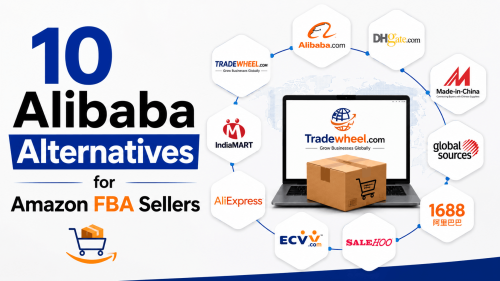
According to Statista, the global B2B e-commerce market is expected to reach $36 trillion in revenue in the coming years. This is due to increased online demand from businesses. All the while, Amazon continues to attract hundreds of millions of active shoppers monthly. This increases the sourcing competition as well. For this reason, an experienced Amazon FBA business often sources from multiple supplier platforms instead of a single solution.
This article highlights the top Alibaba alternatives that are available for Amazon FBA sourcing and outlines the unique features of each platform.
Alibaba has billions of products available for sale from thousands of suppliers; however, other Amazon FBA entrepreneurs also seek different sourcing outlets. Some marketplaces feature less competition, which enables users to source items that are more unique.
Other global B2B sites feature greater supplier validation procedures, low minimum order quantities, more regions covered, and even effective communication tools.
Buying through different marketplaces also enables sellers to set flexible prices, production schedules, and shipping options on their own terms. Many private-label businesses also benefit from sourcing through multiple marketplaces in order to lower their sourcing risks and build solid supplier relationships.
Not all B2B sites appeal to Amazon sellers. Before selecting a supplier, evaluate the following factors.
Tradewheel.com has rapidly grown into a preferred global B2B marketplace for Amazon FBA sellers. Unlike platforms restricted to a single manufacturing region, Tradewheel connects buyers with verified suppliers across the US, China, India, Pakistan, the UAE, and Europe.
Key Advantage: Features an active RFQ (Request for Quotation) directory and dedicated sales managers to help buyers negotiate custom MOQs and private-label terms.
Global Sources is one of the world's longest-operating trading sites for sourcing China-based exporters. It is renowned for its connection with top private label manufacturers and for designing customized OEM/ODM products. It is famous for its strength in electronics and OEM hardware. This platform is ideal for high-spec electronics, mobile accessories, and contract manufacturing. This website also hosts trade shows, where Amazon sellers are able to meet with manufacturers in much closer proximity.
Made-in-China strongly emphasizes Chinese manufacturers operating in multiple categories of consumer and industrial products. This site also provides detailed overviews of factory certifications, inspection facilities, and production know-how. They are a good choice for industrial goods, heavy manufacturing, and direct factory audits. Amazon seller companies that seek customization tend to use this platform the most.
IndiaMART can be considered a popular B2B marketplace in India, bringing together buyers and suppliers. The suppliers here include thousands of manufacturers, wholesalers, exporters & distributors, and are mainly from India. Amazon sellers usually buy textiles, handmade products, home decor, furniture, jewelry, eco-friendly goods, and other items from here. It is trending as a sourcing platform among traders for products made in India.
One of the most popular wholesale marketplaces is DHgate, which commonly deals with small and medium-sized bulk orders. An FBA seller who is starting out on Amazon can also consider this platform since, unlike most other B2B websites, the minimum order quantities here are relatively low. It is used by many Amazon sellers as a way to try out product ideas before committing huge quantities to a higher-priced order. It acts more as a wholesale distributor/drop-shipper platform rather than a direct factory-OEM platform.
Thomasnet is quite well-known as well for its supplier listings for equipment and industrial suppliers in the USA and Canada. It is mostly used by companies that are working to source locally instead of importing internationally. If you are targeting a US audience, use this platform to reduce shipping times, optimize inventory planning, and make communication with suppliers easier. ThomasNet is best for fast domestic FBA restocks, low shipping lead times, and high-margin industrial/niche goods
EC21 is one of the biggest South Korea-based trading websites that serves as a gateway for overseas buyers to contact thousands of verified Korean suppliers and manufacturers. This website has provided services for all kinds of industries for several years. You can explore many categories here, like cosmetics, personal care, electronics, machinery, chemical products, and other industrial equipment. They are best known for K-Beauty, advanced skincare, and premium electronics.
HKTDC Sourcing is run by the Hong Kong Trade Development Council. It links overseas buyers to Hong Kong, Mainland China, and various Asian suppliers, manufacturers, and exporters. It has direct integration with Hong Kong trade fairs and verified Asian trading houses. It is known for promoting reliable suppliers with established export skills. There are many categories available here, such as electronics, gifts, fashion accessories, jewelry, houseware, toys, and packaging.
Faire is a B2B wholesale platform connecting brands to independent retailers worldwide. This is also a popular platform for many Amazon sellers to source unique products that are less likely to be found on bigger B2B platforms. This can reduce direct competition and give you a more diverse product portfolio. It makes it easier for small new sellers to test different products with low MOQs before sourcing large quantities. Faire is tailored toward boutique retail products, so sellers must verify whether brand gating or resale restrictions apply on Amazon.
Europages is basically a European trading platform that links buyers to manufacturers, exporters, and wholesalers throughout Europe. This is a valuable source of products for Amazon sellers seeking to source outside Asia. It has a large suppliers directory of diverse industries such as premium EU-certified cosmetics, gourmet food packaging, machinery, textiles, furniture, packaging, and industrial goods. It is ideal for European producers and high-end brands. Europages is optimal for premium EU-certified cosmetics, gourmet food packaging, and luxury lifestyle goods.
After researching and selecting a supplier, here are some practical tips to source your product and prepare it for Amazon FBA:
You must conduct in-depth research on Amazon trends, identify products that enjoy high demand all year round, and look out for the competition to make sure you stand out in that niche.
Contact several suppliers at the same time, compare pricing and quality, compare shipping options and delivery times, and go with the one that best suits the needs of your business.
Order samples from short-listed suppliers to verify material quality, durability, and craftsmanship. Don't just test the product itself. Evaluate its packaging against Amazon FBA prep guidelines. Conduct a 3-foot drop test, ensure poly-bags include suffocation warning labels, and verify barcoding to avoid warehouse intake delays.
Take the time to negotiate the price per unit and shipping costs and methods. Negotiate on your payment terms so that they work well with your cash flow, and make sure you get the best possible deal.
Once you are satisfied with the samples and terms, you can then place your first order from the supplier. Instead of ordering in bulk, order in smaller quantities to reduce the risk of your order, and then build up to larger orders.
Pick the best shipping method according to your order size and budget. When booking freight, always negotiate under DDP (Delivered Duty Paid) Incoterms. DDP ensures your supplier or freight forwarder handles all import tariffs, customs clearances, and local transport directly to Amazon Fulfillment Centers (FCs) without delivery rejections. Air freight is a fast option but an expensive one. Sea freight takes a bit longer than average, so it is a much cheaper choice for bigger orders.
Finally, get your products to the Amazon warehouses correctly labeled, make sure you follow all of Amazon's packaging instructions, and have your listing ready to go when the inventory arrives.
No. Many Amazon sellers also use Tradewheel, Global Sources, Made-in-China, IndiaMART, DHgate, EC21, Thomasnet, and other B2B marketplaces to compare suppliers and pricing.
Yes. Many successful Amazon sellers compare suppliers across several platforms before placing an order to get better pricing, product quality, and shipping terms.
Yes. Smaller orders can reduce financial risk and allow sellers to test product demand before investing in larger inventory.
While Amazon is a major sourcing platform, there are many B2B marketplaces emerging that provide more flexible services like reliable manufacturers, competitive pricing, and private label services. This allows sellers to easily explore international suppliers, compare their offers, and discover products that may not be available anywhere else. The best sourcing strategy is to look out for multiple suppliers instead of focusing on one, verify their product quality, order samples, and build long-term partnerships with them.