
Best Source for B2B Industry Trends, News and Updates
The furniture industry is constantly changing, and B2B buyers are always looking for products that offer the right balance of quality, style, comfort, and value. Whether you are a furniture retailer, wholesaler, distributor, or business owner, choosing the right furniture products can help you attract more customers and grow your business. In 2026, customer preferences and market trends are creating new opportunities for furniture buyers.
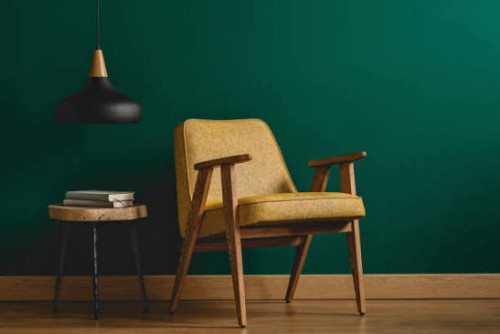
Some furniture products are becoming more popular because they meet everyday needs and suit different spaces. From modern office furniture to stylish home essentials, the demand for practical and attractive designs continues to grow. B2B buyers can benefit from focusing on products that customers actually want, offer good value, and have strong sales potential.
But which furniture products are worth adding to your inventory in 2026? To help you make smarter buying decisions, we have highlighted six best-selling furniture products that deserve your attention. Whether you want to update your product range or explore new business opportunities, this list will help you discover popular options for your furniture business.
According to the IMARC Group, the furniture market was valued at $669 billion in 2025 and is expected to reach $709 billion by 2034. This highlights the furniture market's potential for B2B businesses.
For businesses looking to enter the furniture market but unsure which products to import, here is a list of 6 best-selling furniture products in 2026 that they can consider for their wholesale business.
In 2026, furniture that looks and feels comfortable, relaxing, and inviting is increasingly in demand. Demand is high for furniture with large cushions, plush fabrics like chenille and velvet, generous proportions, and a powered reclining mechanism.
Bouclé fabric-covered sofas, oversized accent armchairs, swivel chairs, L-shaped and curved sofas, and carved sofas with large, curved seating are the products receiving the most attention in 2026. For B2B buyers, these styles offer options for retailers and distributors looking to target customers who want comforting, visually distinctive furniture.
Wood remains an important furniture material, particularly for buyers looking for durability, natural finishes, and a premium appearance. Solid wood furniture can also offer opportunities for differentiation through wood species, craftsmanship, finish, and design.
Organic slabs with visible grain and texture, bench seating, and extending solid-wood dining tables have been selling the most, as they meet the sustainability standards many consumers care deeply about. However, B2B buyers should verify the wood species, construction, and finishing before placing a large order.
Moreover, businesses with a compelling story about how and where they sourced and made their products are more likely to capture customer attention today. Therefore, for B2B buyers, solid wood furniture, especially the ones made from mango, acacia, teak, and walnut wood, can be highly relevant as it is durable, long-lasting, and has a natural aesthetic to it.
The growth of remote and hybrid work has continued to support demand for home-office furniture. Wholesalers, distributors, and businesses targeting the urban market should focus on this category, as demand is often the highest there.
B2B buyers interested in this category can consider sideboards and buffets with additional storage cabinets, lift-top coffee tables, entryway benches, extendable dining tables, and other multifunctional furniture pieces.
However, importers and wholesalers should consider more than functionality. They should also check whether the lift-top coffee table's pulley mechanism works properly or the extendable dining table remains stable after repeated use. Therefore, buyers should also check the product's material, design, quality, packaging, part-replacement terms, and finishing before placing a bulk order.
According to Grand View Research, the sustainable furniture market is valued at $58.3 billion in 2026. This shows growing demand for furniture made from sustainable and upcycled materials like reclaimed wood, bamboo, cork, recycled metals and plastics, and FSC-certified solid hardwood.
However, B2B buyers should not rely only on the term “eco-friendly” when buying furniture. Unsubstantiated environmental claims can also create regulatory and reputational risks, particularly in markets with rules governing environmental marketing claims.
They should request third-party certifications to confirm whether the marketed material comes from sustainably sourced material batches. They should also request transactional certificates and other chain-of-custody documentation to further verify that the furniture is made from environmentally friendly materials.
After COVID-19, remote working has become the norm, increasing the need for home offices. Buyers no longer want a cheap desk jammed in a corner or a particleboard table to work on every day. Instead, they want sleek, modern, ergonomically designed furniture that looks good on video calls and lets them work comfortably.
This creates an interesting opportunity for wholesalers and retailers looking to target this market. Compact computer desks, ergonomic chairs, height-adjustable tables, mobile storage units, and desks with built-in shelves give B2B buyers options across different price points and spacing options in this sector.
Selling standard furniture often leads to competitive pricing because many suppliers offer similar products. However, statement or decorative furniture lets B2B businesses differentiate their pricing on the artisanal value and premium look their furniture offers. Selling this type of furniture can help wholesalers differentiate their catalogs from suppliers selling more standardized products.
Supplying a carefully curated selection of statement, bold furniture can turn your catalog into a destination for interior designers, boutique retailers, and commercial designers who often look for it. Moreover, if you create visual anchors or pair your bold furniture with common, everyday pieces in a catalog, it can help you pitch to and attract different types of B2B buyers.
Hand-carved wooden furniture, geometrically designed furniture, Indian artisanal furniture, bone inlay furniture, decorative trunks, etc are a few examples of statement furniture products in 2026.
Before finalizing a bulk order, B2B buyers should evaluate a few things rather than relying on the unit price alone. Furniture can come with added costs during packaging, shipping, customization, storage, etc while quality differences may only become obvious once the order arrives. Therefore, B2B buyers and wholesalers should evaluate these key factors before buying wholesale furniture products.
Product market fit: First, check whether the furniture you are investing in fits the intended market, sales channel, and the price segment you want to target.
Materials and construction: Bulk buyers should confirm wood type, frame material, upholstery foam, and other specifications that affect the product's durability and quality.
MOQ and pricing: Ask about the minimum order quantity and whether it changes for customized or private label products. This is because a seller with a low unit price may have a high MOQ that might not be practical for every B2B buyer.
Samples for quality check: Before placing a large order, request samples to check the quality, dimensions, material, color, etc. Document the specifications so you can use them as a reference for the large order.
Customization and private labeling: If you're customizing a product or ordering a private label, confirm what the supplier can and cannot do. Also ask about whether it changes the lead time, pricing, or the MOQ.
Packaging and assembly: Confirm whether the furniture will arrive assembled, partially assembled, or flat-packed. Carton dimensions, protective packaging, assembly hardware, and instructions can affect shipping charges and the end-consumer experience.
Compliance requirements: Check whether the furniture to be imported complies with applicable destination-market legal requirements for materials, labeling, chemical content, flammability, safety, and commercial use. Also ask whether the supplier can provide the necessary documents.
Comparing these factors helps a B2B buyer evaluate furniture products by total landed cost rather than unit price alone.
Buyers can find trendy bulk furniture suppliers through B2B marketplaces like Tradewheel.com, Chairish, HBB Decor, etc. These platforms have many manufacturers and suppliers offering furniture products at competitive prices and varying quality levels.
Buyers can search the supplier list or filter by region if they want to source from a particular area. They can also post an RFQ with their specifications, so sellers can respond and provide a quotation based on those requirements. Buyers can then compare suppliers’ quotations against their specifications, MOQ, quality requirements, and landed costs.
Second, B2B buyers can also find wholesale furniture suppliers through trade shows and furniture industry events, where companies and suppliers showcase their products. This also lets buyers experience the product firsthand and meet the seller in person before forming a business relationship.
Importers can also approach furniture manufacturers and companies directly to ask about MOQ, pricing, furniture options, etc. Moreover, they can also search for suppliers through sourcing agents. However, they should keep in mind the additional cost of hiring a sourcing agent, which must be included in the total cost.
Whichever route you choose to find suppliers, send the same specifications to every supplier so comparison is easier.
Furniture trends in 2026 point toward products that are comfortable, sustainable, multifunctional, and aesthetically pleasing. However, the best furniture product for business depends not on trends alone, but on your target market, available space and capital for inventory, and what your customers want. B2B buyers should also consider product quality, wholesale pricing, customization options, MOQ, packaging, and total landed costs before confirming a large order.
Ready to source the best-selling furniture products? Shortlist suppliers, request samples, compare their quotations, and place a bulk order from the seller that best fits your needs.




Furniture with curved silhouettes, warm colors, and grainy textures that replace cold minimalism with human comfort is the most trending right now.
You can find wholesale furniture suppliers through B2B marketplaces, trade shows, supplier directories, sourcing agents, or by directly approaching furniture manufacturers and distributors.
Check whether the product fits your target market and whether the MOQ, pricing, lead time, packaging, shipping, and other landed costs are within your acceptable range. Also check whether the supplier can provide the necessary documentation required for destination markets or when any claims are made.