
Best Source for B2B Industry Trends, News and Updates
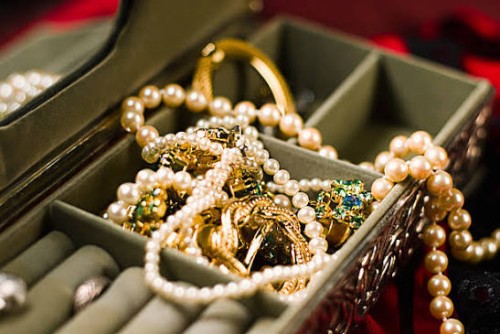
Whether you are a jewelry brand, wholesaler, or retailer, understanding these factors can help you compare suppliers, control sourcing costs, and make more informed bulk purchasing decisions.
This guide covers the most common jewelry box materials, insert options, MOQ considerations, and practical steps that can help buyers evaluate wholesale suppliers for custom jewelry box sourcing.
There are many material types used to make jewelry boxes, but each type comes with perks as well as disadvantages, including:
A highly cost-effective option, it works best for businesses looking for a clean, minimal design. Cardboard boxes are available in three types: SBS (Solid Bleached Sulfate), FBB (Folding Box Board), and natural kraft.
Advantages:
Lightweight with low shipping fees, offers a flexible color range and textures, and is easy to mold and emboss with logos or hot-stamping.
Disadvantages:
Prone to breaking or damage during handling. This packaging works best for startup businesses cause it requires very minimal cost for bulk shipment.
Leather jewelry boxes are known for sophistication, with a soft feel to the touch and rigid enough to protect the jewelry. Some important leather types include faux, genuine, full-grain, or top-grain leather.
Advantages:
The soft material protects the jewelry from scratches, provides resistance to stains, offers a wide color range and design to fit multiple businesses, and lasts for many years.
Disadvantages:
Genuine or high-quality variants are very expensive, may require conditioning to prevent cracking or maintain freshness, and animal-derived leather products can not meet ethical customer demands.
Offers a luxurious touch with its soft and photogenic feel. These types of jewelry boxes are used for engagement rings, bridal sets, and gifting jewelry items.
Advantages:
They provide a gentle cushion for delicate and expensive jewelry sets, are easy to print with logos, and are available in a wide range of colors and textures to suit brands as well as online stores' aesthetics.
Disadvantages:
Less durable; easily collects dust or particles; may not provide rigid protection like other stiff materials; thus, velvet jewelry boxes mostly offer a soft, elegant, and luxurious appeal to brands.
Can be made using different kinds such as Oak, pine, mahogany, and walnut. The wooden material seems like a classic choice that blends durability with elegance.
Advantages:
Provides a unique appearance due to its grain patterns; can be carved, engraved, or painted; has good insulation properties to handle light and temperature changes.
Disadvantages:
Can warp or crack due to high humidity or temperature depending on the material quality, may incur higher shipping charges due to heavy weight, and may require polishing to maintain its appearance.
Appears as a modern and transparent option that gives all the attention to the jewelry itself and makes it visible without opening the box.
Advantages:
Provides complete visibility of the jewelry accessories such as rings, earrings, or necklaces; available in different shades; lighter than glass to handle and ship; more durable than glass, reducing breakage; easy to mold into different shapes and designs.
Disadvantages:
Easily suffer from surface scratches, are not biodegradable, and can become brittle or yellow if exposed to sunlight for a longer period.
Glass jewelry boxes provide a transparent, luxurious, and elegant appeal to the brand and come in several types, such as tempered, frosted, beveled, and colored glass.
Advantages:
Resistant to scratches; does not become yellow with time; can be wiped clean easily to maintain clarity.
Disadvantages:
Generally heavier than acrylic; easier to break; and more challenging to mold into complex shapes.
Once you have identified the type of material that is suitable for your jewelry box brand, the next step requires understanding a specific insert design. Inserts are interior platforms, trays, pads, and foam forms that include a slit, a pair of holes, elastic, or a custom-shaped slot.
The inserts ensure that the accessories stay securely in place and avoid rubbing or tarnishing while shipping. Thus, businesses can source jewelry box inserts to maintain the neat appearance of the item. But to do so, it is important to select the suitable material and the right type of insert that matches the product type and provides the desired protection.
Ring holder or nose ring insert with slits
T-bar stands or earring inserts with holes
Necklace insert with hook, elastic, notches
Bracelet elastic, C-shaped inserts, or cushion
Flat insert pad
Multi-compartment tray
Custom-cut inserts
Velvet - It is soft, light-absorbing, and makes the jewelry stand out due to the use of deep colors like navy, blue, champagne, ivory, and black.
Satin - Usually lighter and more delicate than velvet. Offers a vintage feel and is mostly used by manufacturers to make pouches or bags.
Suede/Microfiber - It offers a soft and durable feel and is suitable for brands offering watches or bracelet collections.
Foam Inserts - Used to provide specialized cuts for sets, multi-piece collections, or when the jewelry is required to be displayed in a specific alignment.
It is essential for businesses to discuss the total minimum order quantity for custom jewelry boxes with a supplier. The companies that are offering no MOQ are mostly reselling the remaining stock just by slapping the logo. There are certain factors that alter the MOQs, including:
Customization is the leading factor that increases the product cost, as customization requires new tools, molds, material purchases, printing setup, color matching, etc. This makes the customized jewelry box option expensive and requires a higher MOQ.
The material you choose also affects MOQ, as the use of different materials has an impact on the overall production efficiency.
Product complexity also raises the MOQ. Special coating requirements and unique designs with multiple sections raise costs; thus, the MOQ for jewelry boxes also changes.
It is important for businesses to ask suppliers for unit prices of different order volumes to make an informed decision after deciding which capacity works best for your inventory and whether you need that many jewelry boxes or not.
Businesses that understand their material type, inserts, and MOQ can directly approach a supplier and evaluate them before committing to a large volume order. They should follow these steps:
They need to prepare a detailed requirement list that includes:
Reference photo of the desired box structure
Jewelry type and insert requirements
Appropriate dimension of the box
Color requirements and specified quantities
Interior or exterior material type
Attached Logo file in PDF, EPS, or SVG format.
Estimated delivery time and location
Once you have identified the material you want the jewelry box in, the next step is to source it. There are many ways through which you can find custom jewelry box manufacturers for wholesale orders.
B2B platforms list a range of custom jewelry packaging suppliers intending to serve businesses, including Tradewheel.com, Nihao Jewelry, and Made-in-China, offering jewelry packaging materials in different types, pricing, customization options, MOQs, and more. Buyers can visit the relevant jewelry packaging supplier page and look for those that manufacture according to their requirements. They can also post RFQs with their specifications and compare suppliers that send quotations.
You can also find jewelry box manufacturers by asking for relevant jewelry accessories contacts that are known by other established jewelry businesses. This can get buyers to engage with suppliers who are genuine and popular for repeat trades.
B2B Jewelry box buyers can also directly contact manufacturers and suppliers found through online searches on Google or trade platforms. Searching online for the relevant box product type, material, and country of origin can give you multiple options to select a reliable offer. However, do your due diligence before sharing sensitive information with new suppliers or placing bulk orders.
Once a brand has shortlisted a potential supplier, they should ask for samples to check the material quality, design precision, color, logo printing, dimensions, and insert fit. They can also check the product compatibility with the specific jewelry item before placing a bulk shipment.
For example, they can place a silver jewelry piece for a few days to know if the material quality is fit to deliver the specified outcomes.
There is no single universal certification applicable to source jewelry boxes; the actual demand varies by destination market, material used, intended application, and sustainability goals. Buyers can demand FSC, GRS, RoHS, or ISO 14001 to demonstrate compliance with environmental standards.
They can also request certifications such as ISO 9001, Box Manufacturer’s Certificate (BMC), and SGC, when required by their destination market, to ensure safe materials and quality control.
A jewelry box brand asking for customization can verify a manufacturer by asking all these questions, which include:
Do they have a real factory? - Ask for pictures and videos of stock inventory.
Do they provide relevant certifications?
Is their sample quality reliable for bulk orders? - Check previous export history and repeat orders with large businesses to ensure trustworthiness.
How do they handle large shipment issues?
Does their website show a large number of satisfied client testimonials?
Do they have experience in your industry and market?
Approving samples through photos instead of inspecting them physically.
Going for the lowest price possible instead of reviewing the quality.
Not specifying interior color and insert fabric.
Not reading the final cost, which will later lead to a higher amount due to additional taxes applicable for import.
In conclusion, sourcing wholesale custom jewelry boxes requires choosing the right materials, inserts, and minimum order quantity (MOQ) to fit your budget and brand needs. Discuss your customization requirements, explore B2B platforms, and compare suppliers to find a reliable partner who can deliver high-quality jewelry boxes that match your brand’s standards.


The best insert type varies based on the jewelry type, protection needs, and packaging budget. Velvet-covered inserts provide a premium finish, foam inserts offer cushioning, and cardboard inserts are a lightweight, economical option.
Common materials include leather, kraft paper, wood, glass, and acrylic. The right choice depends on the desired durability, appearance, budget, branding requirements, and sustainability goals.
Buyers should check the material quality, size, surface finish, construction, logo finish, color, closing mechanism, and material compatibility with the intended product before committing to bulk shipment.