
Best Source for B2B Industry Trends, News and Updates
Fresh vegetables are considered a necessary part of global trade because they are used in food consumption and commercial food preparation and offer various health benefits. According to Fortune Business Insights, the fresh produce vegetable market is projected to grow from USD 768.72 billion in 2026 to USD 989.98 billion by 2034.
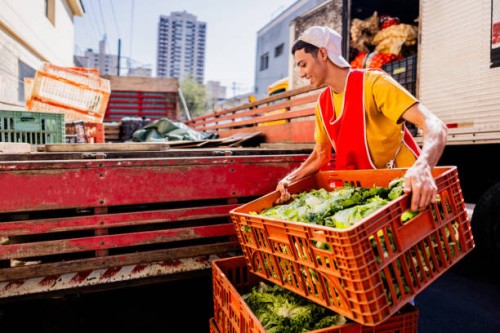
Many food distributors, restaurants, hotels, hospitals, and wholesale markets are important importers or purchasers of fresh vegetables. This high market demand creates new export opportunities for suppliers who regularly produce or grow vegetables in large quantities. They can enter international markets by maintaining consistent bulk supply with reliable delivery times.
This guide covers major countries with high demand for imported vegetables that suppliers can explore to support the sale of fresh vegetables internationally. By understanding major importing countries, seasonal demand, and international sourcing requirements, exporters can identify suitable markets, connect with potential buyers, and develop long-term international trading relationships.
Increasing Demand for Organic Vegetables: Many buyers, consumers, and wholesalers are seeking naturally grown and sustainable vegetable options with transparent country of origin.
Year-round Supply: Many countries depend on fresh vegetable imports to maintain a stable local food supply, bridge the seasonal gap, and prepare different culinary dishes.
Re-export and Distribution Hubs: Partnering with major re-exporters like the Netherlands can also help non-European exporters access a wider customer base and new export markets.
The following countries show active demand for vegetable imports. Thus, these regions should be considered important for driving sales for major fresh vegetable exporters, increasing revenue, and building recurring trading connections.
The United States is considered the largest import market for fresh vegetables. Increasing demand is driven by consumers' rising interest in fresh and processed vegetables. Some key vegetable imports include fresh tomatoes, avocados, onions, sweet potatoes, salad mixes, and peppers. The country has established strong supply connections with various exporting countries, with Mexico as the dominant supplier, and Canada and the Netherlands also playing an important role in exports.
Germany is the second-largest fresh vegetable import market that suppliers can consider to generate potential leads and increase their sales. Key vegetable imports include fresh onions, carrots, lettuce, and cucumbers, with Spain, the Netherlands, and Italy as major exporting countries. However, when importing into Germany, suppliers should consider EU food-related certifications that may apply in the destination market.
The UK's high import value is due to several factors, including limited domestic production capacity, seasonal gaps, and high demand from various culinary businesses and food distributors. Major exporting countries include Spain, Morocco, and the Netherlands, and the UK imports a variety of vegetables, including onions, peppers, and carrots. UK also shows high demand for pre-packaged foods that many distributors can provide by establishing proper storage facilities.
France is another important market to explore, with high demand for fresh vegetables among many retailers and culinary businesses. France imports a wide range of vegetables, including potatoes, tomatoes, and lettuce, from exporting countries such as Spain, Italy, North Africa, and Belgium.
China is another important market that fresh vegetable distributors can explore. The local demand for premium and specialty vegetables like broccoli and asparagus is driving the fresh vegetable import value, with the United States, New Zealand, and Thailand as the top exporting countries.
The Netherlands is another important country where buyers import fresh vegetables regularly. The country sources fresh vegetables from countries such as Spain and Morocco. The demand for fresh vegetables in the country is increasing, as it also serves as an important re-export hub, distributing imported produce to other European markets. Commonly sourced vegetables include tomatoes, peppers, and leafy greens.
The fresh vegetable import of the country is driven by many wholesale businesses, supermarkets, and retailers' demand for high-quality, convenient products while keeping food safety in mind. Major suppliers include China, the US, and Vietnam, distributing frozen and fresh vegetables.
Selling fresh vegetables requires exporters to follow a detailed strategy, which can involve the following steps. These steps help exporters identify growth opportunities, research potential markets, and develop an effective international marketing strategy.
Suppliers should use search engines like Google and conduct thorough research. This detailed analysis can help them identify potential target markets and countries where many buyers purchase fresh vegetables in the same category they offer.
After researching, sellers must provide a detailed written product description that helps buyers understand the product at a glance. The listing can include:
Vegetable variety, grade, available quantities, shelf life, origin, packaging, pricing, seasonal availability, supply capacity, payment method, harvesting cycles, and estimated delivery times.
Exporters can use any of the listed methods to connect with fresh vegetable buyers either locally or overseas.
Tradewheel.com is a global B2B marketplace where fresh vegetable suppliers can connect with buyers from different countries. It helps farmers, exporters, and wholesalers find international buyers who are looking for fresh vegetables in bulk. Sellers can create a business profile, showcase their products, and receive inquiries from interested buyers. Whether you sell potatoes, onions, tomatoes, carrots, or other fresh vegetables, Tradewheel.com makes it easier to reach new markets, grow your business, and build long-term relationships with buyers worldwide.
Go4WorldBusiness is a B2B platform that helps suppliers discover potential buyers in international markets. Suppliers can list their available vegetable categories with detailed specifications, packaging, and estimated delivery times. This platform can help suppliers discover more markets and generate potential leads. To do this, confirm buyers' exact quality requirements and respond only to buyers whose volume demands match their processing capacity or harvesting cycle.
Freshdi is an online B2B platform focused on the distribution of fresh produce and agricultural products. Fresh vegetable exporters can use it to showcase their available products, provide details about varieties, grades, pricing, and supply quantities to engage with potential international buyers. Suppliers must regularly update their listings and include clear product specifications to help importers assess whether the offered produce suits their sourcing requirements.
Exporters can use the direct outreach method instead of relying on online platforms to reach international buyers. Identify potential importers, vegetable wholesalers, supermarkets, food distributors, and restaurants in target markets.
Visit their official websites to find contact details and send a professional inquiry message with your product catalog, available quantities, harvest schedules, packaging options, and export capabilities. Suppliers must follow up with relevant buyers who purchase vegetables in bulk and discuss intended budget, delivery arrangements, and required documentation.
Trade data platforms and import-export databases can help vegetable exporters identify countries and companies involved in international produce trade. Data tools such as UN Comtrade provide country-level import and export details with product category, helping suppliers review market demand and select potential destinations. Use these databases to shortlist markets and verify potential company details before building trading relationships.
If the suppliers want to show their quality control and compliance with applicable food regulations, they should provide food safety standards and applicable certifications. This may include:
|
Certification / Document |
Why It Is Necessary |
|
GLOBALG.A.P. |
Covers agricultural production practices, including food safety and sustainability-related requirements. |
|
HACCP |
Helps identify and control food safety hazards during processing, washing, handling, and packing. It does not itself certify the product quality. |
|
Phytosanitary Certificate |
Provided by the relevant plant protection authority to confirm that exported vegetables comply with the importing country's plant health requirements, when required. |
|
Organic Certification |
Verifies that vegetables meet the applicable organic production standards. |
|
BRCGS Food Safety |
Shows that packing or processing facilities follow recognized food safety and quality management requirements. |
|
ISO 22000 |
Specifies requirements for a food safety management system that helps organizations identify, control, and manage food safety risks throughout the food supply chain. |
Since there are no universally applied certifications, food safety requirements may vary depending on the destination country, vegetable type, and buyers' requirements.
To gain buyers' confidence, a reliable seller should arrange export-ready documents that can include the following:
Commercial invoice, well-defined packing labels, certificate of origin, bill of lading, quality Inspection reports, import permits, and export declaration
Moreover, vegetable exporters should also offer prices at different order volumes with available quality testing lab reports. Since international fresh vegetable buyers support transparency, the seller should include all the additional charges such as import duties, tariffs, taxes, insurance, freight, handling fees, and clear shipping terms in their final quoted price.
Fresh vegetables are more prone to spoiling easily, so exporters should maintain suitable pre-cooling, storage temperatures, and refrigerated transportation. They should also perform temperature monitoring during transit to help maintain product freshness and minimize spoilage risks.
Once you have completed or handled bulk orders, request evidence from the buyer related to order fulfillment. Moreover, suppliers can also gather customer feedback, which will show the supplier’s ability to handle bulk orders. Suppliers can also provide after-sales support to handle issues if the fresh vegetable shipment is not up to the mark. Moreover, you can also provide quick response time and effective communication to respond to order-related queries, and provide samples where applicable.
To find potential markets where international buyers are committing to large-quantity orders, suppliers should do proper market research, create detailed product specifications, competitive pricing, and comply with destination-country regulations. To get repeat orders, exporters should maintain consistent product quality, manage reliable cold-chain logistics, and provide secure payment terms to minimize the risk of significant monetary losses and build long-term relationships with overseas importers.




Buyers should request samples, where applicable, to check the freshness, appearance, ripeness, and firmness of the vegetable. They can also request the vegetable varieties, grades, harvest schedules, packaging, cold-chain arrangements, expected shelf life, and relevant export documentation.
Potatoes, onions, cherry tomatoes, culinary herbs (basil, cilantro), ginger, cabbage, bok choy, and leafy vegetables have high demand both locally and internationally. However, export opportunities depend on destination demand, seasonal availability, competition, and import regulations.
Suppliers can use B2B platforms, trade directories, and social media networks to search and identify potential importers; they can also attend fresh vegetable-related trade shows or exhibitions to connect with overseas importers with consistent demand.