
Best Source for B2B Industry Trends, News and Updates
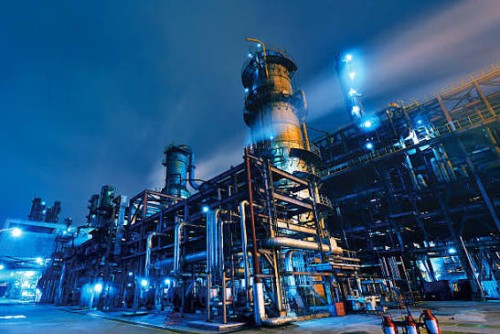
Some common industrial fuel types may include Heavy Fuel Oil (HFO), diesel, Liquefied Petroleum Gas (LPG), and natural gas, but it is important to understand each type first, as each type offers different advantages and limitations.
This industrial fuel sourcing guide for buyers helps them explore each of these fuel advantages as well as weaknesses and compare them in terms of cost, efficiency, equipment capability, safety, and supplier availability.
It is better for industrial buyers to understand the characteristics and applications of each fuel type before moving forward to evaluate them on the basis of price and performance.
Heavy fuel oil is a residual fuel with high viscosity. This type of fuel is ideal for use in industrial boilers, furnaces, ocean freight transportation, and power-generation systems. Because of its high viscosity, it is important to preheat and filter HFO before combustion.
Thus, HFO works best for industries that have high and continuous fuel demands wth proper handling and storage facilities already developed. Buyers should compare the sulfur content, fuel specifications, storage demands, and applicable emission regulations before placing bulk orders.
Diesel is a liquid petroleum fuel widely used in industrial generators, engines, mobile heavy machinery, and facilities that do not have access to gas pipelines. It is easier to store and has an established distribution system. This makes it appear as a practical option to maintain backup power generation with an easily available fuel.
But it is important to consider the fluctuations in diesel prices that can exceed the operational cost when required regularly. Thus, industrial buyers should clearly understand their fuel consumption rate, equipment compatibility, maintenance requirements, and delivery charges before switching to diesel as a lasting fuel choice to keep their production running.
LPG is a pressurized gas that contains propane, butane, or a mixture of both. It is mostly utilized in industrial ovens, kilns, food processing, metalworking, other heating facilities, and medium-scale manufacturing in rural or remote areas.
LPG offers clean combustion with very little particle emission compared to other heavy-duty fuels. But it is important to note that LPG requires specialized storage systems, appropriate burners to perform efficiently, and reliable shipping arrangements beforehand to make industrial fuel sourcing easier with minimum leakage risks.
Natural gas mainly consists of methane and is considered a cleaner fossil fuel due to lower carbon emissions. It is widely used in a number of industrial applications, such as boilers, furnaces, turbines, chemical manufacturing (e.g., ammonia/methanol), and food manufacturing.
It has zero storage or logistics hurdles as it is supplied using pipelines across different areas. Though natural gas provides efficient combustion, it can not suppress the issues associated with this fuel type, which involve pipeline access, supply interruptions, gas tariffs, and connection costs that affect its suitability.
Fuel expenses are the major factors that dictate your manufacturing processes, especially when your business relies on large industrial furnaces, boilers, and generators for an extended period. But in most cases, the cheapest fuel per unit does not always give lower operating costs.
HFO can be an attractive fuel source for large facilities that purchase fuel in bulk with established storage and treatment systems. But the extra processes such as preheating, filtration, and emission control mechanisms raise the overall fuel cost.
Similarly, diesel comes with an established supply and storage option, but the long-term purchases may seem hefty due to constant rate fluctuations. Whereas natural gas only seems competitive in regions where there is reliable pipeline supply and the tariffs are supportive.
So, for buyers who want to make an industrial fuel cost and efficiency comparison, they should consider the following:
Total Landed Fuel Cost: The final offer should include the initial purchase rate, freight, and handling charges, and other applicable taxes till the fuel arrives at the destination port.
Conversion Rate: Check how much energy or electricity a machine is able to produce from the fuel consumed.
Maintenance Cost: It is important to estimate the cleaning, servicing, tool maintenance, filtration, or other related expenses beforehand.
Infrastructure Fees: Look out for tanks, pipelines, heating pumps, and safety equipment that are essential to facilitate the supply chain of industrial businesses.
An industrial fuel comparison demands a detailed look at other factors beyond the price. Buyers should look out for the energy outcomes, handling requirements, and operating expenses. The selection of the suitable fuel depends on the intended use, local market supply, storage conditions, and equipment design.
For example, a factory that needs a continuous steam requirement may consider HFO and natural gas, while a facility requiring standby electricity may prioritize diesel generators.
|
Factor |
HFO |
Diesel |
LPG |
Natural Gas |
|
Physical form |
Heavy liquid |
Liquid |
Gas stored as a liquid under pressure |
Gas, or cryogenic liquid as LNG |
|
Common applications |
Large boilers, furnaces, power generation |
Generators, engines, heating |
Industrial ovens, kilns, process heating |
Boilers, furnaces, turbines |
|
Storage |
Bulk tanks; heating may be required |
Liquid fuel tanks |
Approved pressurized tanks |
Pipeline connection or specialized LNG storage |
|
Handling |
More complex because of high viscosity |
Generally straightforward liquid handling |
Requires pressure-rated storage and leak controls |
Requires suitable gas distribution and safety systems |
|
Environmental considerations |
Sulfur and particulate emissions can be high |
Particulate matter, nitrogen oxides, and CO₂ |
Generally lower sulfur and carbon emissions |
Generally lower direct combustion CO₂ than HFO or diesel |
To select an appropriate fuel that fits multiple businesses' requirements, buyers should make a wise decision by comparing the financial cost as well as checking durable supply capacity with the effective energy output. Thus, buyers must:
It is better for businesses to understand their requirements first, whether they want fuel compatible with furnaces, steam boilers, food manufacturing, or power backup. Then they have to review their daily working routine, which can include consumption rate, operating hours, required temperatures, and annual or monthly supply demand.
Confirm that the selected fuel type is compatible with the existing boilers, burners, and generators to fulfill the manufacturing tasks safely and accurately, since the shift from diesel or HFO to LPG or natural gas requires total equipment modification or some additional safety measures.
Buyers should check localized environmental regulations, fire safety measures, emission limits, and fuel storage standards. It is better to look at every minimum cost that is necessary for pollution-control mechanisms to ensure that your machines perform consistently during peak season demand.
For businesses that want to choose a lasting fuel type, they have to consider the foreseen production growth and changes in energy rates, as it is not possible for a fuel that meets the current needs to be a cost-effective option if consumption rises.
Effective fuel sourcing requires the buyers to closely examine both the quality of the fuel and whether the industrial fuel supplier's production capacity guarantees consistent delivery to fit their businesses. Shortages of fuel caused mainly by production delays will eventually disrupt the buyer's manufacturing schedules and increase the total operating cost.
Thus, buyers should evaluate the fuel supplier on the basis of:
Fuel specifications: Request detailed information on the heating value, sulfur content, viscosity, where applicable.
Supply Capacity: Confirm whether the supplier can handle regular consumption volume and peak demands.
Delivery Arrangements: Buyers should review the lead times, suggested transport method, and MOQs.
Quality Documentation: Request CoA or other relevant documentation related to the fuel being supplied.
Commercial terms: Compare payment terms, pricing, contract duration, and price-adjustment clauses in case of incorrect delivery.
Contingency arrangements: Determine whether alternative delivery options or backup suppliers are available.
Businesses that do not want to compromise on quality and want to compare multiple industrial fuel prices can use B2B marketplaces like Tradewheel.com, FuelFlow Connect, and PetroMarketplace. These platforms connect industrial buyers with wholesale suppliers who have listed their fuel specifications online. Buyers can review the product offering, discuss their annual supply, and negotiate an order with a supplier whose credibility matches the intended application.
Buyers can also use direct outreach methods or explore online supplier websites to evaluate distributors by reviewing export history and customer feedback and commit to a lasting business relationship
Deciding between HFO, diesel, LPG, and natural gas needs a careful assessment of fuel prices, equipment compatibility, and repeat purchase availability. However, what is considered the best fuel will depend on the business's energy demand, storage requirements, and location. Thus, buyers should explore multiple offers by keeping in mind the estimated growth, cost, and energy outcome to ensure enduring compatibility with a reliable fuel type.
They should also conduct a supplier verification test by following reliable procurement criteria to make informed fuel sourcing decisions and improve long-term cost management.




Natural gas is the ideal fuel type that supports manufacturing processes due to its high combustion efficiency and a lower carbon footprint.
There is no perfect fuel solution for every business; what is considered the best choice depends on the fuel cost, energy produced, machine efficiency, and dependable storage infrastructure. Thus, buyers should consider the energy output cost rather than just comparing prices alone.
Buyers should choose a supplier after reviewing the fuel quality, supply capacity, delivery reliability, pricing, documentation, and positive customer feedback.