
Best Source for B2B Industry Trends, News and Updates
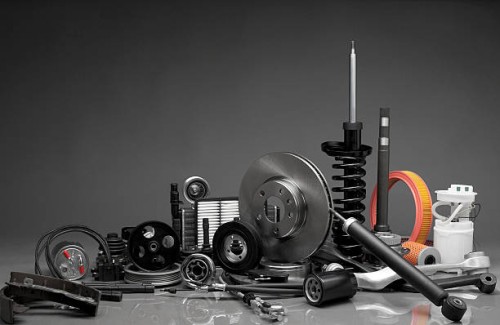
Many automobile manufacturers, workshops, and brands are now searching for auto body parts suppliers to meet customer demand and manage procurement costs by purchasing in bulk at lower rates. However, for a reliable brand, the buying process can only be successful if the auto parts they receive arrive on time without any defects.
If there is damage, late delivery, or inconsistent quality, the parts will end up costing more instead of saving money. Thus, businesses that deal only in bulk orders should check supplier reliability beforehand to avoid shipment issues. This guide makes auto body parts sourcing easier and more convenient for businesses that don't want to compromise on product quality.
Today, vehicle businesses buy car body parts to maintain product availability, expand supply options, and stay competitive. Manufacturers or distributors who source automobile parts from different exporting countries like the United States, Germany, Mexico, and Japan can explore a wide range of suppliers, products, and pricing options. This can help them lower some of their procurement costs without compromising on quality. Some of the key benefits include:
Brands can reach markets offering reliable car parts and replacement products beyond local borders.
A diverse range of parts for passenger vehicles or heavy-duty equipment offers distributors flexibility in inventory planning.
In case of a reliable trade experience, the purchaser can also build long-term business relationships with the supplier.
Every bulk vehicle parts buyer should consider these steps to source auto body parts effectively from global suppliers.
Businesses that start sourcing after understanding their requirements are more likely to receive accurate quotations, find reliable suppliers, and avoid sourcing incorrect replacement parts. Before looking for a supplier, a buyer should make a clear draft stating these requirements:
Vehicle make, model, year, and relevant trim or body style.
OEM part number or other reliable identification number, where available.
Part type, material, dimensions, color, and finish.
Required quantity and expected repeat-order volume.
Preferred product category: OEM, genuine branded, or aftermarket.
Destination country, packaging requirements, and delivery expectations.
Budget, target unit price, and customization or private-label requirements, if applicable.
After car body components importers or businesses have identified targeted requirements, the next step will involve searching for a reliable supplier who can turn your desired vehicle body parts idea into reality. The brands or automobile businesses can use any of the options listed below:
Businesses looking to source auto body parts from international suppliers can use B2B marketplaces to compare prices, customer reviews, and suppliers’ export experience. They can explore platforms such as Partshub, Tradewheel.com, APFusion, and Global Sources to compare products and find suitable suppliers. These platforms allow buyers to contact distributors to discuss product quality, available quantities, pricing, and delivery times. They can also request samples to check the quality of auto body parts before placing a large order. This helps them choose suppliers that can meet their quality standards and order requirements.
Instead of relying only on B2B platforms, auto body parts buyers can contact suppliers directly. They can look for reliable suppliers through company websites, referrals, or professional networks.
When contacting suppliers, buyers should understand their requirements, the model they intend to serve, and expected order quantities. Buyers should also ask suppliers about component reliability, minimum order quantity, and available customization options.
Automobile trade shows enable buyers to engage with multiple vehicle body parts manufacturers and exporters. This helps buyers explore diverse product ranges, examine sample components in person, and efficiently discuss wholesale pricing requirements.
For example, a wholesale distributor purchasing bumpers, grilles, or side-view mirrors can speak with several suppliers to compare material quality, vehicle compatibility, prices, and production capacity.
In the automotive market, where many manufacturers can compete by offering the lowest price, quality is the leading point that makes a supplier stand out. Car businesses should look for suppliers that provide consistent quality by reviewing the material specifications and construction, dimensions, mounting points, finish, compatibility, and warranty terms.
They can also ask about the manufacturing process, material specifications, and quality-control procedures to check whether the supplier's trustworthiness matches the product quality they claim to offer.
Every market has different regulatory standards, but it is important for buyers to demand relevant certifications applicable to their country’s requirements when importing genuine or aftermarket auto body parts worldwide. This helps the buyer ensure that the product meets the safety protocols and regulatory compliance.
Thus, buyers should ask suppliers to provide relevant compliance documents, test reports, or certifications where required. This may include:
ISO 9001, 14001, 45001-certified management systems.
IATF 16949 quality management systems for automotive production.
FMVSS (Federal Motor Vehicle Safety Standards), relevant SAE standards, or CAPA (Certified Automotive Parts Association) certification, where applicable to the product and destination market.
Buyers with a calculated approach always request samples even when they are placing an order with a supplier whom they have worked with before to reduce the risk of monetary loss. It is important for the supplier to check auto parts quality, dimensions, surface finish, overall fit, and compatibility to make a decision after confirming that the product delivered can satisfy the business requirements.
Many sellers make false claims and act as if they belong to a reputed organization with an established history, so a buyer should conduct a comprehensive background check to prevent their vehicle brand from facing severe losses.
This can include products that resemble the actual components but do not meet the quality requirements due to the use of low-quality materials and poor fit, compromising overall vehicle safety. So it is better to evaluate a supplier by asking for factory details and the product manufacturing process, and demand previous consistent export records to avoid unexpected scenarios or large payment losses.
For businesses that have found reliable suppliers that can exceed customer expectations and deliver durable parts, they can move to repeat purchasing agreements rather than individual payments. Long-term business partners can help buyers with:
Competitive pricing
Better production strategy
Faster communication responses
Quick order response
Priority support can be provided according to the supplier capacity at the time of high demand seasons
The quoted unit cost of your shipment increases when all the additional charges are applied. This can include freight, packaging, export documentation, customs clearance, sample testing, and destination port charges. Thus, to avoid any hidden charges that may become visible once the shipment is dispatched, global auto body parts manufacturers or buyers can ask the supplier or distributor to clearly explain:
The method of shipping available (sea, air)
Estimated production times and dispatch timeline
Extra packaging charges applied to international sourcing
Incoterms and delivery terms (It should be discussed beforehand to clarify who is responsible for shipping costs, delivery arrangements, customs formalities, and when the risk transfers from the seller to the buyer.)
Moreover, buyers can also check suppliers with a trusted export history in their target market. This will guarantee minimal interruptions during the shipment process.
Some common mistakes that buyers should avoid include:
Never select a supplier with low price offer because it may include hidden damages or clauses, or their product may not meet the quality requirements as promised. A buyer must ask for the total landed cost to know the actual shipment cost of delivery without any surprises.
Never place a bulk shipment without testing the product quality; ask for samples first because it is always better to identify problems during order confirmation than requesting a bulk shipment return only because the delivered goods are not up to the mark.
A supplier with a reliable history may not be capable of handling large-volume orders with exceptional quality because they may have a small-scale production facility.
In case of customization for component finish, size, or specific color, it is better to ask the supplier if they have expertise in the car body parts category to deliver smooth, market-ready components.
Avoid doing business with sellers that take 2 to 3 days or several weeks to respond, as they are likely to become absent if any problem arises during handling or delivery.
Global sourcing of auto body parts is easier when the buyer explores various suppliers, but each supplier should be evaluated against the buyer's technical, commercial, and delivery requirements. A procurement process succeeds only when businesses build trust-based trade relationships after reviewing samples, export experience, and quick communication support.
Before labeling a seller as verified, do background checks, read customer reviews, assess export capabilities, and verify quality standards. Thus, bulk buyers should take time to verify these details first to help businesses procure the desired quality product every time.




The multinational company Robert Bosch GmbH (Bosch) is the world's largest distributor of vehicle components.
No single solution suits every business type. However, auto parts wholesalers can explore multiple options, such as B2B marketplaces, direct supplier contact through websites, trade shows, or referrals.
Bulk buyers should always request samples to assess product quality, material, dimensions, finish, and paint durability.