
Best Source for B2B Industry Trends, News and Updates
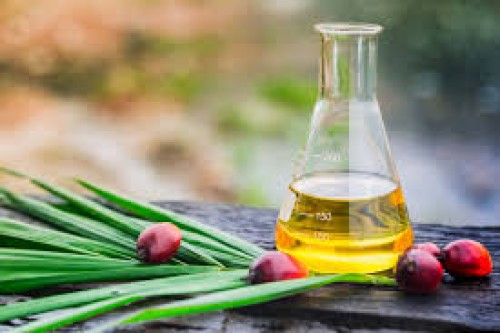
Palm oil is one of the most versatile vegetable oils, a star ingredient in processed foods produced and exported all over the world. Food products such as margarine, butter, ice cream, cookies, and baked goods. Palm oil has also been traded globally and used for frying, as it is stable at high temperatures. However, palm oil is not limited to food. Its derivatives are used in cosmetics such as shampoos, conditioners, soaps, and detergents for their moisturizing properties.
As understood, palm oil is a core ingredient in consumer products, which is the primary reason for its growing demand and export markets. Palm oil is affordable, and finding a reliable supplier is highly competitive and critical to ensure the palm oil quality, consistent supply, and timely delivery for operational stability.
Palm oil is heavily imported by India, China, Europe, and the Middle East due to the massive demand for food, cosmetics, and pharmaceuticals.
Whether the goal is to start a palm oil distribution business or meet with bulk palm oil suppliers to get affordable prices for your manufactured products, the following are the best places to find palm oil bulk suppliers.
B2B marketplaces are the ultimate source of meeting with palm oil suppliers worldwide.
Tradewheel.com can help you find genuine suppliers for bulk palm oil. The platform is globally known for its extensive product directories where you can connect with not only many but also many many suppliers registered to sell palm oil in bulk quantities. These suppliers are giving the premium quality and affordable prices. For more information, you can check the customer reviews or communicate directly with multiple of them to get the best rates without any intervention.
As a renowned leader of digital B2B e-commerce, Alibaba can provide you with a comprehensive list of genuine palm oil products by global suppliers. The platform is designed with multiple filters where you can choose your budget, region, and customize your products by connecting with sellers privately. The website is vast and allows you to compare prices to get the best bulk deals. The website is global, which means your business connections will expand.
Global Source, being another biggest B2B website, is an excellent source of meeting with palm oil suppliers and distributors worldwide. The website allows genuine, verified suppliers to register their business, which clearly indicates the possibility of meeting with no fraud, and you can become business partners with reputable palm oil production companies.
Meeting directly with palm oil suppliers and manufacturers in several countries will get you the best deal. Contact palm oil mills and suppliers in Indonesia, which is the largest producer and exporter of palm oil globally. Followed by Malaysia, Thailand, and Nigeria.
The easiest way is to attend industry-specific trade shows and meet suppliers directly to have a word with them or visit their websites for product inquiry and order information.
Trade directories are designed to help find suppliers and their direct contact information. Through trade directories, you can find out bulk palm suppliers who offer great deals on bulk purchases.
Kompass is a digital database for B2B websites to help find the right palm oil suppliers. The platform has advanced features, and it provides clear data about the suppliers in terms of contact information and detailed structured data. It is a France-based trade directory that caters to all-sized businesses and offers free and paid listings for businesses.
ThomasNet is a B2B trade directory from the USA, where you can find genuine information about palm oil suppliers in the region. The platform is ideal, especially for businesses that deal in industrial supplies like bulk palm oil. The platform has more than 500k suppliers, manufacturers, and wholesalers’ profiles registered.
Local agents and personal networking have also proven to be a great source of meeting bulk suppliers. As a business, you can connect with third-party sourcing firms and get in touch with them through partnership agreements at the start of your palm oil distribution journey. This way, you can understand the market dynamics and learn more about negotiations while getting supported logistics. New importers can start their business through sourcing companies, an affordable yet less risky method.
Indonesia is the largest exporter globally. The country is responsible for more than 30 million tons of palm oil production per year. This palm oil production and exports contribute to the country’s GDP with 4.5% and have been providing employment to 3 million people. Indonesian authorities are moving forward to stop the forest destruction and maximize the development and economic growth.
Malaysian palm oil is the highest-quality refined palm oil in the world. Malaysia contributes to the 1/3rd of the global palm oil supply all over the world. Today, 5.9 million hectares of land in Malaysia are under oil palm cultivation, producing 19.86 million tonnes of palm oil.
Thailand is one of the fastest-growing palm oil producers in Southeast Asia. Thailand's palm oil production is projected to reach approximately 3.38 million metric tons for the 2025/2026 marketing year, mainly from smallholder farmers who contribute significantly to the supply chain.
Nigeria is the largest palm oil producer in Africa and a key regional supplier. The country produces around 1.4–1.7 million tonnes of palm oil annually, with a strong base of small and medium-scale producers. Nigeria primarily serves local and West African markets, but export potential is growing due to increasing investments in the sector.
Certifications: Certifications like RSPO, ISO, and Halal ensure palm oil meets international quality, sustainability, and ethical standards, helping buyers build trust, meet regulations, and access global food and industrial markets.
Product quality and grade: Understanding palm oil grades like crude palm oil (CPO) and refined (RBD) is essential, as quality impacts usage, shelf life, and suitability for food processing, cosmetics, or industrial applications.
MOQ and pricing: Minimum order quantity and pricing vary among suppliers, affecting overall cost efficiency. Buyers should compare bulk discounts, negotiate terms, and ensure pricing aligns with quality, shipping costs, and long-term procurement goals.
Logistics and shipping terms: Efficient logistics and clear shipping terms like FOB or CIF are crucial for timely delivery. Buyers must evaluate transit time, freight costs, and supplier reliability to avoid delays and unexpected expenses.
Payment security: Secure payment methods such as letters of credit, escrow services, or verified transactions protect buyers from fraud, ensuring safe international trade while building trust and minimizing financial risks in bulk purchases.
Palm oil pricing trends are influenced by several key factors, including supply chain disruptions, unpredictable weather conditions affecting crop yields, and export duties imposed by producing countries. On average, global prices fluctuate based on demand from major importing regions like Asia and the Middle East. However, businesses can benefit from cost efficiency through bulk purchasing, which often offers discounted rates, stable supply, and better negotiation opportunities in long-term trade agreements.
Palm oil is one of the most exported commodities in the oil market. Globally, the main producing countries, such as Indonesia and Malaysia, export bulk quantities of palm oil. The palm oil distribution is a profitable business venture; however, finding a reliable supplier is the only condition. In this blog, we have discussed an in-depth market analysis of palm oil. We have mentioned the best ways to find manufacturers and palm oil bulk suppliers from different parts of the world.
We can conclude that sources like B2B marketplaces, trade shows, and agent outsourcing totally depend on the business size, budget, and experience. However, it is very important to go through different key factors while finding the right palm oil supplier for your business, as mentioned in the blog.



Indonesia is the world’s largest palm oil producer, followed by Malaysia. These countries dominate global supply due to a favorable climate, large plantations, and strong export infrastructure supporting international demand.
Palm oil suppliers should have RSPO, ISO, and Halal certifications. These ensure sustainable sourcing, quality standards, and compliance with international regulations, making the product suitable for global food and industrial markets.
The main types include crude palm oil (CPO), refined palm oil (RBD), palm kernel oil, and fractionated palm oil, each used in food processing, cosmetics, biofuel, and industrial applications.