
Best Source for B2B Industry Trends, News and Updates
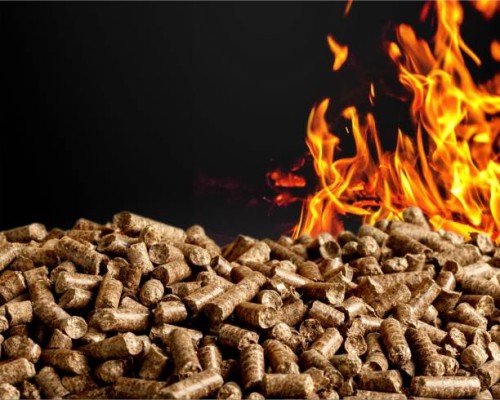
Effective sourcing of wood pellets therefore requires defining the product specifications and then evaluating the suppliers offering them. If you are learning how to find wood pellet suppliers in your local market or looking for international suppliers, the goal should be the same: find a wholesale supplier that can consistently deliver the same quality products for multiple orders.
Read this article to understand how to find wood pellet suppliers, where to find wood pellets, and what parameters to consider when ordering wood pellets in bulk.

Here are the following 10 effective steps to find reliable wood pellet suppliers:
Before approaching suppliers, define the wood pellet specifications you need. Simply stating, “require wood pellets in bulk,” is too broad and lets suppliers quote many different types of wood pellets, making them hard to compare.
Wood pellets come in different quality classes for different uses, such as residential, commercial, and industrial biomass energy. The appropriate quality class depends on the grade and the intended use of the fuel.
Therefore, buyers should know the applicable standard or grade before quoting their needs. Depending on the market, there can be several specifications under standards such as ISO 17225-2 or certification schemes such as ENplus. The pellet diameter and dimensions should also be known if they are relevant to the buyer's use.
You should also be aware of the raw material being used to make the pellets, as it affects their characteristics. Ask the suppliers whether the wood pellets are made from sawdust, wood chips, or other woody residues, and whether the same material is used for all batches.
Wholesale buyers should also inquire about these specifications:
Moisture content, as it affects storage and usable energy.
Ash content, as it influences residues and cleaning requirements.
Calorific value, which tells the energy level provided by the fuel.
Fines, which create handling and combustion issues.
Mechanical durability and bulk density if transportation and storage are required.
Asking for these specifications will make it easier for you to compare wood pellet manufacturers on a like-for-like basis.
Once you have defined all the specifications, you can look for wood pellet suppliers on different platforms rather than relying on a single source.
Purchasing directly from wood pellet manufacturers can be useful for suppliers with large or recurring orders. Manufacturers can allow better visibility into production schedules, raw materials, quality control procedures, and available volumes.
The drawback, however, is that manufacturers may have higher MOQs and may prefer established customers or long-term contracts. Therefore, before assuming that they can fulfill your order, ask how much production capacity they have for new customers.
B2B marketplaces are useful when you want to connect and compare suppliers from different countries. They are one of the best starting points for identifying manufacturers, exporters, and trading companies and contacting them with the same requirements.
For businesses searching for where to buy wood pellets wholesale, B2B marketplaces such as Tradewheel.com, PelletHub, and Globy can help them discover many pellet manufacturers, wholesalers, and traders across several markets.
However, the company being listed on a B2B marketplace is not enough proof that they meet your requirements. You should independently search their specifications, certifications, samples, production capability, and commercial terms before placing a bulk order.
Local pellet factories, trade shows, biomass industry associations, and referrals from commercial buyers can provide you with useful leads for finding wood pellet suppliers.
For international buyers, factory location is an important factor to consider alongside logistics. A manufacturer with a tempting offer may not be the most appropriate economical choice if the factory location is very far from the port or has limited access to reliable freight services
Finding suppliers is relatively easy, but finding a supplier who can consistently deliver pellets of the same quality, required volume, and specifications is difficult. So how do you find the ‘one’ from the list of suppliers? Here are three main things you should inquire/ask to evaluate suppliers.
When evaluating how to find reliable wood pellet manufacturers, don’t just stop at the annual production figure listed on their website or profile. Instead, ask questions about their current monthly production, how much is already committed to existing customers, how much volume they can offer you, the lead time for the first shipment, and if they can maintain the required volume across multiple orders.
What matters more than total installed capacity is the volume they can offer you, since suppliers sometimes have limited availability during peak demand seasons. This is even more important when you want repeated monthly shipments rather than a one-time order.
Ask suppliers to present certifications wherever they claim to have one. Buyers might come across ENplus certification or an ISO-based product; verify the details and check whether they match the company and the product being supplied.
Also request a recent laboratory test, as it can give measurable information for relevant quality characteristics. Ensure the test corresponds to the product being quoted. A certificate only confirms compliance with a relevant scheme or standard; individual assessment helps confirm compliance and whether the product meets your specifications.
Before you place a large order, ask for samples of the product that you intend to buy for your wholesale business. Compare the sample to the specification sheet and test report. For high-value orders, perform independent testing to confirm the quality and specifications further.
Testing requirements may vary according to the application, but general characteristics to test include moisture, ash content, calorific value, bulk density, mechanical strength, fines, and other relevant parameters.
The important point is to evaluate consistency and not just whether the sample looks good. The supplier should be able to maintain consistent quality across all production orders, not just the samples sent.
Here is a list of important parameters on which you should evaluate a wood pellet supplier:
Pellet grade
Feedstock
Moisture
Ash content
Calorific value
Fines
Production capacity
MOQ
Packaging
Price
Shipping
Certifications
After evaluating several wood pellet manufacturers, shortlist a few suppliers that meet the quality and product requirements. Instead of sending different RFQs to each supplier, send them the same request so that you can compare them easily.
A wholesale RFQ should clearly state the requirements and the limits, such as:
Required pellet grade and standard
Feedstock requirements (if applicable)
Pellet dimensions
Minimum calorific value
Moisture and ash limits
Total quantity
Preferred packaging
Shipping destination
Preferred Incoterms
Certifications
Samples, testing requirements and reports
Expected delivery schedule
Adding all these specifications in your RFQ clearly communicates your requirements to the supplier and also helps you compare them easily.
Important tip: Never choose the supplier based solely on the lowest price per tonne. Instead, compare quotations on all the above-mentioned parameters, not just the price. For international orders, compare the total landed cost rather than the factory price alone.
Businesses looking to learn how to source wood pellets internationally should remember that supplier selection and logistics go hand in hand.
When checking the parameters to evaluate a supplier, also see how far they are from an export port and what inland transportation is available. Then decide whether you want the pellets to be delivered in bags, big bags, or in bulk depending on the supplier’s capability and your storage infrastructure.
International buyers must also account for shipping charges, customs clearance, documentation, and destination-market regulations. Moreover, packaging and moisture protection should be specifically considered during transportation and storage, as water exposure can significantly affect wood pellet integrity.
Before finalizing an international supplier, confirm the loading port, expected transit time, Incoterm, documentation, and who will handle inspection and delivery. These details significantly affect the total landed cost and the delivery schedule of the wood pellet order.
Finding the right wood pellet supplier is more than choosing the one with the lowest quotation. Wholesale pellet buyers should first define their requirements, identify wood pellet suppliers, verify their production and quality capability, and shortlist the ones that meet the appropriate standards. A clear RFQ for each supplier and requesting samples can help turn potential suppliers into comparable commercial leads, and maybe your next sourcing partner.
Ready to start finding potential wood pellet suppliers for your wholesale business? Prepare your sourcing requirements and reach out to qualified suppliers for your next wholesale wood pellet order.




Not always. Direct purchasing from manufacturers can be attractive for large, recurring orders. However, buyers should also consider inland transportation, freight charges, MOQ, packaging, payment terms, and other landed costs.
Ask about the supplier's current monthly production capacity, existing commitments, lead times, and the ability to maintain the same specifications across multiple orders. A trial commercial shipment can also help assess whether the supplier can maintain product quality and delivery performance beyond the initial sample.
Ensure transparency between the supplier and the buyer on pellet specifications, acceptable quality tolerances, order volumes, pricing mechanisms, delivery schedules, payment terms, inspection procedures, and transportation responsibility. It should also be clear what happens when the shipments fail to meet the agreed specifications or are delayed.