
Best Source for B2B Industry Trends, News and Updates
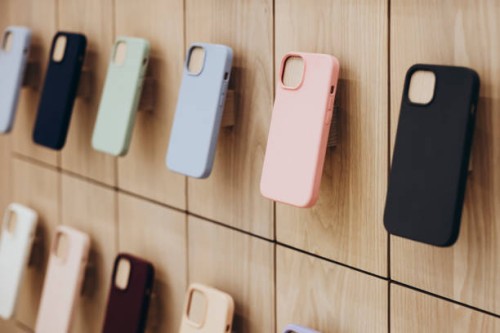
From choosing a trustworthy supplier and checking samples to analyzing market demands, calculating landed cost, and handling customs requirements, every stage can impact your final outcome. A careful analysis beforehand will prevent your business from facing a sudden financial setback.
This guide will teach you how to import phone cases for your brand. It covers every key stage, from finding the right supplier to receiving your shipment. You will also discover some common mistakes you should avoid to make smarter purchasing decisions with greater confidence.

Here are the 10 steps that help a wholesaler import phone cases for a successful business:
Draft a rough idea to learn what your brand wants to offer. Consider your target customer as well. There are many kinds of phone cases. They are differentiated on the basis of styles, material usage, and design. Having a clear product direction will make the sourcing process easier.
Decide whether your brand will focus on:
Slim and minimalist cases
Rugged protective covers
Transparent cases
Leather or premium-finish cases
Eco-friendly materials
Fashion-focused designs
Personalized or printed cases
Market research should come before placing a large order. You have to be a step ahead and prepare a list of compatible smartphone models. Manufacturers are releasing a new series almost every day. It is better to know which models are considered hot-selling topics. This will prevent you from investing heavily in cases with limited demand.
Examine which phone case colors, materials, and styles are receiving attention in your target market. Focus not only on the seller’s advantage but also on the complaints. Buyers frequently mention problems like weak buttons, poor camera protection, discoloration, or cases that interfere with wireless charging. These complaints can reveal greater growth opportunities to promote your brand.
The next step is to find a verified manufacturer for your brand to buy phone cases that meet your production requirements perfectly. China is considered a significant sourcing destination. This is due to the availability of a wide variety of cases, customization capabilities, and the ability to handle distinct production volumes.
To find suitable phone case manufacturers, you can explore the following sites to get durable, quality phone cases:
1688.com is a major Chinese B2B marketplace that links companies with domestic manufacturers, wholesalers, and suppliers. It provides a broad array of phone covers in different materials, styles, colors, and designs. Bulk buyers can explore competitive factory pricing and compare suppliers committed to customization and delivering bulk orders.
Since the platform is designed particularly for the Chinese market, importers from overseas countries may need assistance from local purchasing agents or language support.
Global Sources is an international B2B sourcing platform that connects buyers with verified suppliers and manufacturers across Asia and other regions. Its electronics and mobile accessories categories introduce a wide selection of phone cases for different smartphone brands.
Buyers can analyze suppliers and check customer reviews to see whether the product matches the claimed details. This platform is reliable for businesses that want to build a relationship with manufacturers who are experienced with export and wholesale capabilities.
Tradewheel.com is a global B2B marketplace where brands or companies can interact with manufacturers, wholesalers, and suppliers of various product categories. Phone case buyers seeking a trustworthy supplier can explore multiple product listings, compare offers, discuss wholesale requirements, and shipment lead times to discover a perfect choice for your brand image.
The platform is suitable for large-volume bulk buyers and helps them build a relationship with reliable global manufacturers who have knowledge about how to source phone cases from manufacturers effectively.
Made-in-China is a China-focused B2B marketplace that connects international buyers with Chinese manufacturers and suppliers. Its mobile accessories section features numerous phone cases in styles ranging from basic protective covers to customized designs.
Buyers can review supplier information, compare products, request quotations, and communicate about specifications and order quantities. The platform can be useful for brands seeking bulk phone cases and direct manufacturing relationships.
Not all suppliers are trustworthy. Higher risk is associated with large volume orders. It will do you good if you verify a seller’s validity before placing an order. Keep the following key stages in mind to understand how to import phone cases from exporters without any mistakes.
Check their credentials: Ask for business licenses and essential documentation like export certifications.
Request samples: It is a good practice to request physical samples before submitting a phone case wholesale order to measure impact resistance and finish quality. Never rely entirely on a photograph.
Communicate clearly: A professional supplier will respond quickly and answer technical specifications accurately.
Look for reviews: Review feedback from other global buyers to ensure the vendor has a solid sales track record.
Private labeling can completely transform the game. It converts generic phone cases into products that solely represent your own unique brand.
Ask manufacturers whether they can customize:
Case colors
Logos
Printed artwork
Packaging
Inserts and thank-you cards
Barcodes and labels
Product dimensions
Materials and finishes
Packaging is just as necessary as branding a quality product. It will decide the wholesaler’s first impression. For premium buyers, inexpensive and poor packaging is regarded as a demeaning factor that undermines the total worthiness of the phone case.
Sourcing goods from international borders requires compliance with specific legal frameworks.
Here are a few things a first-time purchaser must keep in mind:
Customs Duties and Taxes: Import fees apply according to the total value of your shipment and country of destination.
Product Compliance: Ensure the phone cases meet local safety and labeling standards (include certifications of safe material use).
Intellectual Property Rights: Avoid counterfeit designs or unauthorized logo graphics to prevent legal liabilities. A design that appears popular online may belong to another company or creator.
A low factory quotation does not mean it will have a low final cost. When you import wholesale phone cases from overseas, calculate the overall landed cost to decide where your order stands and whether the order is generating any profit or not.
Your calculation must include:
Product cost + customization + packaging + inspection + freight + insurance + customs charges + taxes/fees + local delivery = estimated landed cost
You should also consider factors like currency fluctuations, storage expenses, marketplace fees, and situations of faulty or defective units.
Since you’ve chosen your supplier and finalized your catalog. Now it is time to seal your purchase agreement. Agree on similar pricing and discuss commercial terms carefully, such as MOQs, production schedules, and secure payment terms like escrow services or credit cards to protect your investment.
Important points include:
Packaging requirements
Customization costs
Shipping costs
Inspection arrangements
Replacement policy for defective products
Organize the agreed terms and details of the purchase order or contract in the written documentation. For a first-time transaction, do not place a very large phone case wholesale order simply because the supplier is offering a massive discount.
An initial small shipment can help you discover the product quality, customer response, and the seller’s capability for order completion.
Choosing the right shipping method influences your delivery timeline and budget.
Air freight is faster, but it is very expensive. This method is perfect for initial launches or when the package contains lighter loads.
Sea freight is found to be significantly more cost-effective for heavy commercial container shipments. This method is suitable when lower transportation costs are more important than speed.
When your shipment arrives, inspect the phone cases before distributing or selling them. Do not rush to distribute the cases simply to increase your earnings.
Check the shipment against your written records and confirm:
Quantity: Make sure you received the correct number of phone cases.
Models: Check that the cases are for the correct phone models.
Colors and designs: Confirm that the colors and designs match your order.
Printing and branding: Check that all printing, logos, and branding are correct.
Packaging: Make sure the packaging is complete and in good condition.
Physical condition: Inspect the cases for scratches, cracks, printing errors, or other defects.
If you find any faulty or incorrect phone cases, record the details immediately. Keep a separate record of defective items and contact the supplier promptly to report any differences or issues.
Address any problems as soon as possible so they do not delay your sales or distribution.
If you’re new to global sourcing, it is better to start with a manageable phone case batch import to test consumer demand. This minimizes the financial risk factor even more. For bulk buyers, it is essential to always keep records prepared for future use.
Maintain clear digital proofs of all business contracts, invoices, packing lists, and compliance certificates to eliminate unexpected trouble and protect your company name. This will result in a better import opportunity and help you source bulk phone cases in top-quality condition.
Follow these strategic steps to completely revise your mobile covers sourcing criteria. These steps can deliver a compelling product line and transform your mobile accessory idea into a successful, growing business reality.



The safest method is to request physical phone case samples from the supplier before funding mass production.
It is legally possible to clear customs on your own. If you are unfamiliar with customs procedures, work with a qualified customs broker. A broker can simplify the paperwork, help ensure accurate HTS code classification, and reduce the risk of documentation errors that could result in costly delays at the port of entry.
Yes, many manufacturers offer private-label services, like custom logos, artwork, labels, and inserts. Discuss customization needs with full transparency before production and approve the design or sample to ensure the finished products reflect your brand guidelines.