
Best Source for B2B Industry Trends, News and Updates
CNC machining parts are valued at USD 23.71 Billion in 2026 and are projected to reach USD 32.39 billion by 2032, showing a CAGR of 5.41%, according to Research and Markets. These precision CNC-machined parts facilitate the manufacturing processes for large-scale industries as they reduce the reliance on manual labor and minimize downtime.
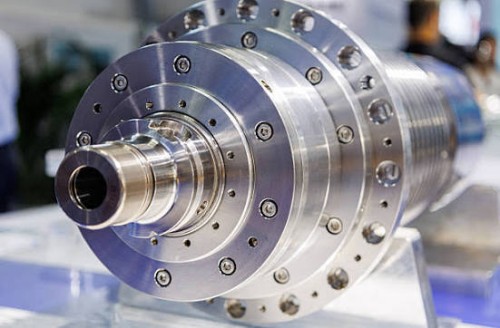
This growing demand highlights opportunities for businesses to enter the CNC machining market due to its application across various industries such as aerospace, automotive, medical, and electronics. But for startup companies, actual production can take a lot of time; this is where CNC machined parts sourcing steps in and saves a lot of time.
But sourcing can only be effective when the buyer is able to source high-quality machined components. You need a seller who can fulfill your durability, reliability, and specified business needs. So buyers should evaluate CNC machining suppliers first by requesting samples, photos, contact details, MOQ, and documentation.
This guide will help businesses build an established reputation with a step-by-step approach on how to identify potential B2B CNC machining suppliers to source parts in bulk.
CNC parts procurement makes the commercial production process easier and finishes it in minimal time due to digitalized control. But to demand precision during product production, the machined parts need to be accurate. One wrong sourcing decision can lead to defects, delays in operational efficiency, and financial losses.
Hence, it requires an organized approach compared to other machinery sourcing. Consider the steps discussed below to find reliable sellers and make your custom CNC machined parts sourcing easier.
To make the buying process straightforward, businesses can list all their requirements in a document. This also helps businesses to actually understand their demands before reaching out to suppliers with a generic inquiry.
For customization requirements, clearly state your machining parts needs. First, identify the industry and intended applications for your components. Then decide on a material type that can fit your requirements, as each material provides specialized use as well as some limitations. A detailed professional listing should include the following details:
Part name and material type with specific grade (added advantages such as impact and corrosion resistance, and thermal stability)
Dimensions and tolerance criteria with fitting details
CAD files, surface finish, and desired coating material
Quality control and inspection requirements
Required quantity and budget
Expected delivery time
Import documentation applicable to the destination market
Once you have clearly recorded your requirements, the next step is to identify the potential suppliers who can produce your designs and requirements accurately. Some important steps that buyers can use to discover CNC machining service providers include:
B2B marketplaces make supplier finding easier because they provide a wide list of offerings with differing prices, product descriptions, MOQ, and lead times. Buyers can use any of these platforms, including:
WORCON is a B2B marketplace that connects industrial buyers with multiple CNC parts manufacturers around the globe. This platform enables buyers to enter their product requirements accurately, such as material requirements, dimensions, tolerances, and production quantities. This ensures that the quotes you receive are designed to fit your needs. Businesses can easily place an order, track shipments, communicate with suppliers, and receive updated responses within 24 hours.
Tradewheel.com is a trusted B2B platform where buyers can explore a wide range of CNC machining distributors and compare prices, lead times, and available certifications. Buyers can send an RFQ to discuss customization in tolerances, geometry, size, color, and complex setups to fit their application requirements. They can also ask for pictures and samples for quality testing before committing to a large bulk purchase order.
ThomasNet is an industry-focused platform that includes listings from many North American suppliers. Buyers can use search filters to instantly narrow down potential suppliers with your targeted industry experience and established trade history. Buyers can also send RFIs directly to contact shortlisted manufacturers, request quotes, and choose a reliable wholesaler with attractive rates.
Buyers can explore multiple social media platforms like LinkedIn and Instagram or online manufacturing or supplier websites, such as Xometry, to identify suppliers directly. This can help them view their contact details, export history, and customer reviews to confirm their reliability before going forward with a CNC machining parts wholesale order.
Buyers can also attend CNC machining services exhibitions and shows to engage in communication with manufacturers and suppliers and inspect material, machining capabilities, and component quality firsthand.
Once you have identified the suitable supplier, it is important to request samples to check and confirm the quality of the CNC-machined parts and decide if it is suitable for your production requirements. Never rely on photos and videos solely to confirm your bulk order; prior testing is necessary to understand the parts' compatibility with your equipment.
Check the material quality, fit compatibility with your tool, and finishing details to reduce the risk of receiving nonconforming components, and document all the details for future reference. This provides guidelines to check the final shipment and request changes or corrections if the final product does not match the sample provided.
How to check tolerances for CNC machined parts
Check the specified dimension and tolerance limit for each part.
Evaluate holes, shafts, slots, and other features that affect assembly
Check geometric tolerance for flatness, perpendicularity, parallelism, and position.
Verify dimensions using height gauges and coordinate measuring machines.
Confirm surface roughness requirements and decide whether they affect fit, friction, or performance.
Buyers can also review the previous export history of the supplier to learn if they have proven expertise in your industry and a reliable reputation around the globe. Buyers should also evaluate a supplier to confirm if they can manufacture or deliver the desired machining parts by following complete quality control procedures.
Thus, businesses should choose a supplier that has experience with different axis configurations to meet multiple business needs. Businesses that want advanced machining parts such as 5-axis, Swiss turning, or electrical discharge machining (EDM) should select a manufacturer capable of handling complexity.
Ask the suppliers if they have certifications that are applicable to your destination market. Buyers can request quality management certifications like ISO 9001, AS9100 for aerospace work, and ISO 13485 for medical device manufacturing. They can also ask for a material testing sheet or any other certifications that are needed to verify complete component compliance with safety regulations.
The CNC-machined parts should be securely packed to prevent them from rusting, cracking, or scratching during transportation. Thus, buyers can ask a supplier how they are going to prepare the shipment for delivery to ensure no machine part is damaged.
They also need to discuss the shipment methods such as EXW or FOB to finalize beforehand who is responsible for handling, clearance, and delivery of the bulk shipment and prevent future mishaps.
Review the final offer made by the supplier and ask them to add all the applicable charges starting from production until shipment is delivered. This can help buyers calculate how much their order will cost and prevent them from facing sudden surprises. Thus, buyers should not only look at unit prices, as more costs will be added once the order is confirmed. It can include:
Customized packaging fees
Logo and customization charges where applicable
Sampling and tooling cost
Quality inspection charges
Handling and freight charges
Applicable customs fees and taxes depending on the location
Local delivery cost
Once you have calculated the total cost of delivery, it is important to ask a supplier about their minimum order quantity, confirm their production times, and compare them with your business demand to determine if the supplier is suitable. Buyers should also confirm the estimated delivery schedules and ask how they are going to handle delays that can occur during shipment.
Some common mistakes that most businesses make when they start their procurement journey:
Never select a supplier only because a supplier is offering the lowest price, because the actual cost is likely to increase after applying all the additional taxes.
Choose a supplier after you have specified your machining parts requirements to evaluate their manufacturing capability better.
Never source precision CNC machined parts in bulk without doing sample testing because it can trouble you after the shipment arrives in case of mismatched or non-conforming goods.
Ask for all hidden costs and confirm the final cost, whether it already includes customization or sample fees, to avoid future price increases.
Always compare suppliers on the basis of response time. Thus, a supplier who takes 2 to 3 weeks to respond to your queries is likely to trouble you if any delay occurs within the discussed delivery date.
Thus, to make CNC parts procurement easy, buyers should first understand their business requirements and intended application. Then look for suppliers who can meet their demands after evaluating them. For this, they can use B2B marketplaces and trade shows to shortlist potential distributors whose annual or monthly production fits with their business needs.
Send the shortlisted suppliers your specification sheet to confirm whether they can handle your recurring bulk orders with consistent quality. Buyers can also ask suppliers for export history and samples to test them and build lasting trade connections with a suitable partner who can keep your inventory updated to meet changing demand.




Buyers can ask the distributors whether they have compliance certificates, the durability of the materials, what their customization limits are, and clearly discuss the total production time and shipping terms to avoid miscommunication.
They can review the material quality, grade, surface finish, tolerances, match the sample with technical drawings, and check its fit compatibility with the equipment.
They should first review the quotation and confirm whether it includes all applicable costs such as production, unit price, sampling, customs or tariffs, shipping, and port delivery charges. This evaluation can help them avoid paying hidden charges that can exceed their budget.