
Best Source for B2B Industry Trends, News and Updates
Supermarkets, hotels, restaurants, and foodservice businesses purchase fresh fruit in bulk to meet consumer demand for nutritious food products that are rich in vitamins, minerals, and antioxidants. However, choosing the right sourcing depends on the business's purchasing volume, target market, budget, and supply requirements.
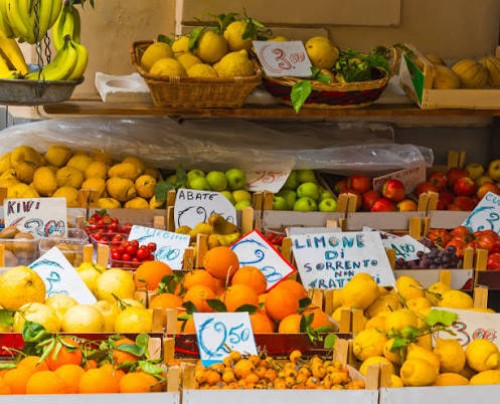
Deciding on the best way to source fresh fruit at competitive prices is never easy. Buyers should connect with or identify reliable platforms where suppliers can offer the required fruit varieties, order volume, relevant certifications, and reliable delivery. Moreover, they should confirm the suppliers' supply capacity, seasonal availability, and whether they have established cold-chain requirements before building a business connection.
This guide covers some top channels, supplier directories, and sourcing methods that fruit importers, wholesalers, and distributors can explore to find fresh fruit suppliers. So, these methods can support supermarkets and distributors in bulk fruit sourcing with consistent quality and smooth delivery.
The following methods are considered some of the best ways to source fresh fruit online:
For bulk fresh fruit sourcing, B2B platforms are the top choice as they allow buyers to compare multiple suppliers based on price, customer reviews, lead time, and estimated delivery times. Some important marketplaces to consider are:
Freshdi is an AI-powered global B2B marketplace that can help buyers connect with multiple suppliers, exporters, and distributors. Initially focused on agricultural products, the platform has expanded its offerings to include additional categories such as food, electronics, machinery, and textiles.
The platform allows buyers to publish requirements, and the AI-based matching helps them find the most suitable suppliers based on their purchasing needs. Moreover, buyers can also send an inquiry to discuss the supply capacity and certification requirements in their destination market to make the procurement easier.
CentraleAgro is a suitable option for bulk buyers, as it focuses on commercial businesses and large orders rather than consumer e-commerce. Businesses can search for suppliers and products and publish their specifications. They can also explore available listings and connect with a supplier whose listing matches their purchasing needs.
Before placing bulk purchases, they should browse company profiles and read customer feedback. The platform supports effective communication; buyers can negotiate order volumes, pricing, and delivery terms rather than treating it as a fixed-price checkout marketplace.
Tradewheel.com is a trusted B2B marketplace where you can find global wholesale fresh fruit suppliers and exporters. You can find a diverse variety of fruit, including fresh organic golden apples, citrus lemon, lime, green Cavendish bananas, melon, and other varieties of fruit offered by trusted sellers. Simply browse the available listings, choose the suppliers that match your needs, and send them an inquiry to get more information about prices, minimum order quantities, and shipping. Tradewheel.com helps businesses find suitable fruit suppliers in one place, making bulk sourcing easier and more convenient.
AgriExchange is a B2B platform that helps buyers discover potential farmers, wholesalers, and exporters. Buyers can review fresh fruit supplier listings and compare prices at different order volumes. They can send an inquiry or fill out the contact form to discuss product grade, packaging, MOQs, and certifications.
Where necessary, you can also request harvest details, confirm supply capacity and Incoterms, and review the final offer to ensure that it includes all additional charges. This can help buyers evaluate suppliers' credibility and calculate the estimated costs to know how much they have to pay once the shipment arrives.
Relevant databases and trade platforms are the best options to find reliable suppliers. Tools like TradeInt allow buyers to conduct research and market analysis and search for the required fruit variety by country.
Fresh fruit importers can use this platform to discover recent import/export data and shipment activity. After finding a potential partner, they can request fresh fruit exporters to share trade records, essential company details, and ongoing exports to consistent buyers.
Moreover, businesses and importers can use supplier directories like Europages, Kompass, and AGF.eu. These directories allow users to explore company profiles and relevant product listings using available search filters, including location, product category, and business activity. This simplifies the initial supplier discovery process and helps buyers identify businesses that match their sourcing requirements.
Before purchasing, you have to verify supplier reliability, confirm available fruit inventory and production capacity to ensure that they can fulfill bulk orders with consistent quality.
To facilitate a consistent supply, buyers can also connect directly with farmers or growers and reduce the number of intermediaries involved in procurement. However, fruit availability depends on the supplier's harvest cycles and growing conditions.
Thus, buyers should confirm the harvest schedules, available quantities, seasonal production timelines, and how they handle off-season supply to ensure that they have enough stock available to support bulk purchasing requirements consistently.
However, before establishing a direct sourcing arrangement, buyers should confirm whether the grower has suitable grading, packing, storage, and export facilities or an established partnership with an experienced packing and exporting partner to ensure reliable fruit supply in fresh condition.
Explore different social media platforms or marketplaces like LinkedIn, Instagram, Facebook, and others, and use relevant keywords like fruit wholesalers and fresh fruit exporters. These searches can help buyers identify potential fruit wholesalers, exporters, and distributors that match their sourcing requirements. They can also specify their requirements, including desired grade, shelf life, lab report, or disease control requirements depending on the location and volume, to negotiate an order.
Foodservice businesses should consider that these platforms do not guarantee supplier credibility; thus, it is essential for them to verify every distributor or importer individually.
Failing to Define Purchasing Requirements: Buyers should establish their required fruit varieties, grades, order quantities, packaging specifications, and delivery schedules before searching for suppliers.
Skipping Supplier Verification: Avoid placing large orders without checking supplier credentials, reviewing previous transactions, and assessing product quality through samples or inspections where practical.
Ignoring Food Safety Certifications: Always demand relevant certifications and quality control standards to ensure that the supplier is trustworthy and follows regulatory safety standards.
Neglecting Pricing and Contract Terms: Always review pricing, MOQ, packaging, payment terms, shipping costs, and delivery schedules. Check the total landed cost offered by the distributor to avoid additional charges later.
Committing to Large Orders Too Early: When working with a new supplier, place a smaller order, where practical, to assess product quality and shipment handling before committing to recurring bulk purchases.
Before selecting the best sourcing channel, buyers should understand their annual or monthly demand; then search for the right supplier. When choosing the right supplier for repeat purchases, they should look beyond the lowest price. They must verify supplier credentials, check fruit quality, confirm seasonal availability, and assess the cold-chain facilities before placing a final order.
Buying fresh fruit wholesale online gives importers, wholesalers, and foodservice businesses access to suppliers from different markets. Buyers can explore B2B marketplaces, agricultural trade platforms, supplier directories, and direct farm sourcing channels to find suitable sellers. Comparing multiple quotations, packaging specifications, shipping terms, and available quantities can also help buyers develop consistent supply relationships with a reliable supplier.
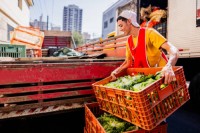


Buyers should evaluate fruit varieties, grades, freshness, available quantities, seasonal availability, packaging, certifications, and the supplier's ability to maintain suitable storage and transportation conditions.
Yes. Buyers can contact fruit growers and agricultural farms directly to discuss bulk quantities, harvest schedules, fruit grades, and pricing. However, they should confirm whether the growers are capable of providing suitable packing, storage, and transportation to preserve its freshness and taste. This method can be reliable as it removes the intermediary costs.
They should confirm whether the supplier can arrange suitable pre-cooling, temperature-controlled storage, refrigerated transportation, and proper packaging. They can also request samples to test the fruit's freshness and overall appearance. Moreover, they should ask about the harvest date, expected shelf life, and storage temperature requirements to prevent spoilage and quality deterioration.