
Best Source for B2B Industry Trends, News and Updates
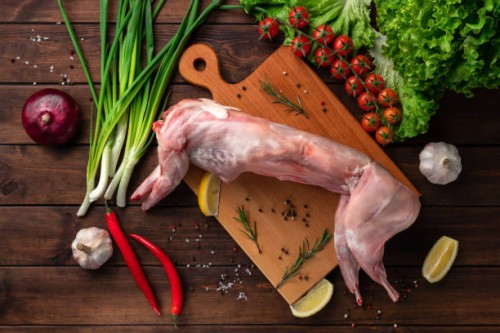
For rabbit meat exporters, this shift has created a growing opportunity to expand beyond local borders. If you run a rabbit meat business or want to explore this market but aren't sure where to sell rabbit meat internationally, this guide will help you identify the best countries to export rabbit meat to. Keep reading to learn about common rabbit meat buyers and the compliance requirements for selling rabbit meat internationally.
According to Cognitive Market Research, the global rabbit meat market is expected to grow to $6263.28 million by 2031. This forecast sales boost is expected to come from increased demand for rabbit meat. This is due to several reasons:
Consumers nowadays increasingly want high-protein, healthy red meat alternatives in their diet, and rabbit meat fits in just the right spot.
It has a high protein content while being relatively low in fat and cholesterol.
There is also a growing interest in the gourmet and exotic meat category, which rabbit meat fits into.
Rabbit meat is also used as a raw material in certain pet food formulations.
Rabbits reproduce quickly, allowing farmers to build and maintain herds efficiently for meat production.
Rabbits can also grow to market-acceptable weights in just 3-5 months, making them an efficient option for meat farming.
They also require low maintenance, allowing sellers to earn higher profit margins.
For these reasons, the foodservice industry and consumers alike have increasingly adopted rabbit meat, making rabbit meat export a much more profitable business than it was a few years ago.
If you want to enter this industry and are looking for the best countries to export rabbit meat, you can consider these top 5 countries, according to GTAIC, to expand your business internationally.
Germany has the highest import statistics for rabbit meat within the European region. This demand likely stems from strict domestic animal compliance requirements, which make local production expensive, so consumers often opt for cheaper imported rabbit meat.
Portugal has been emerging as the second-largest dynamic market in the rabbit meat industry, importing meat worth over $6.28 million from 2025 to 2026. This demand increase stems from domestic production failing to meet demand because many Portuguese farms are small-scale and feed costs are high, making it expensive to raise rabbits domestically. Modern, large-scale processing facilities are also lacking, making in-country production insufficient.
Belgium has shown high structural stability and strong market growth for rabbit meat imports. This is because rabbit, also known as Konijn, is a traditional culinary staple in Belgium, which creates steady, year-round demand for it. Moreover, Belgium has strict hygiene and welfare laws, which raise costs for farmers who want to produce locally. Therefore, importing rabbit meat is a much more logical option for consumers over there.
Poland also demonstrates strong market growth, importing 1053.95 tons of rabbit meat worth $6.78 million in 2025. The reason behind the large imports of rabbit meat is that Poland’s local production fails to meet consumer demand. Demand for healthy, lean meat in Poland has increased, and rabbit meat is one of the best alternatives because it is a healthy, hypoallergenic protein source. Moreover, Poland has only small-scale or home-use rabbit farming, so it has to import rabbit meat from outside the country to meet demand.
The Netherlands is also a proactive importer of rabbit meat, importing around 658.92 tons of rabbit meat worth $4.24 million from February 2025 to January 2026. This is because the Netherlands has no domestic slaughterhouses, and rabbits have to be transported across the border to countries like Belgium and France for slaughter. As a result, domestic rabbit meat production is very small and mostly for personal use. During holiday seasons, especially Christmas, demand for rabbit meat spikes, and it is met by sourcing it from other countries or by bringing processed rabbit meat from neighboring countries.
Since rabbit meat is a high-protein, low-cholesterol alternative to poultry and beef, its buyers range from high-volume industrial food companies to health-conscious retail consumers. If you're looking for rabbit meat importers and aren't sure which B2B customers to target across such a wide consumer range, focus on these B2B customers, keeping their preferred product form in mind.
Premium restaurants and HoReCa: This customer group demands fresh, consistent rabbit meat with reliable quality, weight, and size for restaurant menus. They usually purchase whole fryers, loins, prime cuts, and boneless backs.
Specialty stores and butcher shops: This consumer category wants premium, niche, and organic rabbit meat for their high-end customers. Whole carcasses and prime cuts are favorites in this segment.
Pet Food Manufacturers: Usually demand hypoallergenic meat to make premium, novel food for animals with sensitivities. They purchase in bulk wholesale quantities and may prefer mechanically separated meat (MSM) rather than human-grade cuts.
Industrial Food Buyers: These buyers usually purchase meat to include in ready-to-eat foods, canned goods, and processed meat snacks. Therefore, they require strict adherence to microbiological safety and quality standards and also demand the necessary certifications.
Retailers: This market segment demands ready-to-sell pre-cuts to cater to younger, busy consumer demographics. They usually prefer a clean, white-meat appearance and demand strict cold-chain management and traceability for purchasing.
Rabbit meat exporters must tailor their products when targeting different consumer segments within the rabbit meat industry.
After understanding which countries have the highest demand for rabbit meat, the next step is to know how to sell it internationally. Selling rabbit meat in foreign markets requires adherence to strict quality and international standards. Follow this process to export rabbit meat internationally.
Research the target market and identify its trends.
Identify the required quality certifications, such as USDA/FDA approvals or halal certifications, depending on the target region.
Prepare detailed quotations including documentation, quality certifications, packing lists, payment terms, Incoterms, etc.
Find B2B buyers through trade data, customs reports, and B2B marketplaces such as Tradewheel.com, Freshdi, and Europages, and pitch to them.
Establish cold-chain logistics and proper packaging to maintain freshness throughout the transport journey.
Ensure clear communication with buyers to maintain transparency during the payment process.
Following this process will help rabbit meat exporters sell into the foreign market more easily.
For rabbit meat exporters, meeting the regulatory and compliance requirements of the export market is crucial. There are different types of core compliance requirements that every rabbit meat exporter has to follow.
The first is veterinary and food safety certifications that processing units must obtain. These certifications show that relevant veterinary authorities, such as the USDA FSIS in the US, have inspected and approved the facility and that the rabbit meat is safe and free from zoonotic diseases.
The next requirement rabbit meat exporters must follow is to meet sanitary and phytosanitary (SPS) measures when shipping the meat. These measures confirm that rabbit meat has been shipped under microbial- and residue-free conditions and has met specific disease-status thresholds set by the destination market.
Moreover, exporters must keep full records and logs of the meat that align with international standards. Processed carcasses and cuts must be kept at the required cold temperatures (40°F or lower) to meet the specific HS code requirement.
Lastly, ensure that the packaging you choose clearly displays the weight, product description, country of origin, processing establishment numbers, and any niche certifications such as ‘Halal’. Meeting these compliance requirements helps avoid rejections and unexpected delays.
If you want to export rabbit meat to international markets, the first step is to identify rabbit meat importers and target countries. Target countries that cannot produce enough locally to meet domestic demand. Then identify target customers and market segments within those countries, and prepare your product to meet their requirements. Ensure you have followed the compliance requirements and have the necessary certifications required for your destination country. Following this process will help you expand your business internationally and attract foreign buyers.
Ready to start selling internationally? Identify the top rabbit meat importing countries and select the target market. Prepare a quotation sheet, send it to buyers in the selected category, and secure an international rabbit meat deal.




The New Zealand White is the most profitable and most in-demand breed in the international rabbit meat market. The American Chinchilla is the second most popular rabbit breed for meat worldwide.
To ship frozen rabbit meat, exporters usually use refrigerated freight or seal it in EPS coolers or urethane-insulated boxes before enclosing it in cartons with grooves and ridges.
Include clear product specifications, certifications, total costs, and delivery terms in the rabbit meat export offer.