
Best Source for B2B Industry Trends, News and Updates
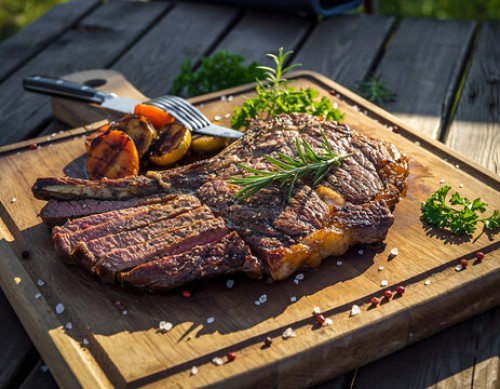
The worldwide pet food market is increasing the need for cheap, protein-packed meat products. According to the Observatory of Economic Complexity, horse meat exports have been worth billions each year recently. In this article, we will discuss how to source wholesale horse meat globally from trustworthy suppliers. Also, we will discuss the essential factors that need to be considered before bulk international frozen horse meat sourcing in 2026.
The global horse meat trade is active across Central Asia, South America, and North America. Uruguay and Argentina are the major exporters because they have modern meat plants and strong livestock industries. For traditional horse farming and halal production, Kazakhstan and Mongolia are popular. Mexico and Canada also export huge volumes to Asia and Europe. These countries sell chilled and frozen horse meat in large quantities to buyers around the world.
France, Italy, Belgium, and Japan are the top importing markets. European countries use horse meat in sausages, ready-made foods, and butcher shops. Japan imports high-quality cuts for special restaurants. Some Middle Eastern buyers also want halal-certified products from a trusted halal horse meat supplier. Importers must follow strict rules for bringing in horse meat before the products reach local markets. FAO trade reports say that Europe is one of the largest consumers of horse meat products.
Demand changes throughout the year. In colder countries, people usually eat more meat in winter. Shipping costs, animal feed prices, and money exchange rates also affect prices worldwide. Many horse meat sellers now use vacuum-packed frozen products because they stay fresh longer when shipped.
Fresh horse meat is usually sold to nearby markets because it has a short shelf life. Frozen products are more popular in global trade. Frozen horse meat keeps its quality during long-distance shipping and works well for bulk storage. Many importers prefer vacuum-packed frozen products for better hygiene and freshness.
Some buyers order whole carcasses for local processing. Others purchase ready meat cuts for restaurants and food factories. Popular horse meat cuts include tenderloin, striploin, cube roll, and ground horse meat. Offal products like liver, heart, and kidneys are also sold in international markets. Processed cuts reduce labor and save preparation time.
Several exporters now offer halal-certified processing. A reliable halal horse meat supplier follows Islamic slaughter rules and provides halal certificates. Some factories also make organic or high-quality products for specialty meat stores. Modern horse meat processing plants use up-to-date freezing and packaging methods to improve export quality.
Check Export Certifications: Genuine exporters always provide proper certifications. Buyers should check HACCP, ISO, veterinary health certificates, and EU export approvals. These documents show that the meat plant follows food safety standards. Trusted horse meat exporters share clear inspection records with international buyers.
Verify Slaughter and Processing Standards: Good suppliers follow humane animal handling practices and hygienic slaughter methods. Modern factories use traceability systems to track every batch from farm to shipment. Strong food safety protocols reduce contamination risks and improve buyer confidence.
Assess Production Capacity: Large buyers need suppliers with stable monthly production. Ask about tonnage capacity, freezing systems, and packaging options. Some exporters can supply private-label packaging or custom carton sizes for retail and wholesale distribution.
Request Product Samples and Lab Reports: Before placing a large order, request samples and laboratory test reports. This helps in verifying freshness, fat content, and microbiological safety. Third-party inspections also help reduce sourcing risks.
Here are the following places to find wholesale horse meat suppliers:
Torg is a structured B2B sourcing platform that connects buyers with verified food manufacturers, meat exporters, and private-label suppliers across Europe and other international markets. Buyers searching for wholesale horse meat can compare supplier profiles, certifications, production capabilities, and export regions in one place. The platform supports streamlined sourcing for frozen, chilled, and specialty meat products while helping importers evaluate traceability, regulatory compliance, and logistics standards.
Serena Srl is an Italian meat processing company involved in equine meat distribution and export activities. The company operates within Europe’s regulated meat processing environment and focuses on controlled sourcing, veterinary compliance, and cold-chain handling. Buyers evaluating horse meat suppliers often review factors such as slaughter standards, packaging systems, export documentation, and long-term supply consistency.
Europages is a long-established European B2B directory that lists manufacturers, exporters, processors, and agricultural suppliers from multiple industries, including frozen and specialty meats. Buyers can use the platform to identify horse meat wholesalers based on country, production scale, certifications, and trade capabilities. Its searchable supplier database supports international procurement research, especially for importers comparing European meat suppliers, processing facilities, halal certifications, and refrigerated export logistics in highly regulated food markets.
Tradewheel is one of the best platforms for finding wholesale horse meat suppliers because it connects global buyers with verified exporters and meat distributors in one place. Bussinesses can compare suppliers, product quality, pricing, minimum order quantities, and shipping options easily. The platform supports direct communication with suppliers, which helps businesses discuss packaging, certifications, and delivery terms before placing bulk orders. The platform also offers access to international markets, making it useful for importers, food businesses, and specialty meat buyers looking for reliable sourcing options.
Freshdi operates as a digital sourcing and food trade platform connecting buyers with seafood, meat, and agricultural product suppliers worldwide. The platform supports commercial procurement by offering supplier directories, product categories, and export-oriented listings for wholesale buyers. In the horse meat trade, buyers may use platforms like Freshdi to explore regional availability, packaging formats, processing standards, and frozen supply options.
Local specialty butcher shops remain an important sourcing channel in regions where horse meat consumption is culturally established, including parts of Europe and Central Asia. These businesses often maintain direct relationships with regional farms, slaughterhouses, and meat processors, offering smaller-scale yet traceable supply chains. Buyers may evaluate freshness, butchering practices, origin transparency, and storage conditions before purchasing. Independent butchers can also provide insights into local demand trends, traditional cuts, and seasonal availability within niche meat markets.
Every country follows different horse meat import regulations. European Union markets require strict food safety and traceability standards, while GCC countries often need halal certification.
Buyers must prepare important documents like veterinary certificates, certificates of origin, packing lists, and bills of lading.
Customs authorities may inspect frozen meat shipments and conduct laboratory testing before clearance.
Exporters should maintain proper hygiene and traceability records for farms and processing plants.
Strong compliance systems help businesses avoid shipment delays, customs issues, and extra storage costs in the international meat trade.
Choosing Reefer Container Shipping: For frozen meat shipping, most exporters use reefer containers. During long sea journeys, these containers keep the products cold. Stable refrigeration protects meat quality and reduces spoilage risks.
Temperature Control Standards: Frozen horse meat is usually stored below -18°C. Temperature monitoring systems help maintain safe conditions during transport. For better shipment control, good exporters use digital tracking systems.
Transit Time and Shelf Life Considerations: Transit time affects freshness and shelf life. Fast shipping routes help maintain product quality. Vacuum-sealed frozen meat can stay stable for many months under proper storage conditions.
Freight Cost Factors: Shipping prices depend on fuel costs, route distance, insurance, and port handling fees. Major export hubs include Montevideo, Buenos Aires, Rotterdam, and Dubai. These ports handle large volumes of refrigerated meat cargo every year.
Buyers should compare shipping schedules and insurance coverage before finalizing contracts with global horse meat suppliers.
Many factors affect wholesale horse meat prices. The country of origin plays a big role because labor and livestock costs differ by region. Premium cuts like tenderloin cost more than ground meat or offal products. Packaging style, halal certification, and freezing methods also change pricing.
Freight charges and currency exchange rates strongly impact final import costs. Small orders often cost more per ton compared to bulk contracts. Some suppliers also require minimum order quantities for export shipments.
Smart buyers carefully compare CIF and FOB prices. FOB prices only include export costs, while CIF prices also cover shipping and insurance. Long-term supply contracts can help keep prices steady when the market changes. Buyers should also watch seasonal livestock supply patterns before buying large amounts of horse meat.
To sum up, sourcing wholesale horse meat globally requires careful research, reliable suppliers, and strong knowledge of import rules. Buyers should focus on product quality, food safety certifications, cold chain logistics, and transparent trade documentation before placing bulk orders. Comparing suppliers, checking processing standards, and understanding shipping costs can help reduce risks in international trade. As global demand for frozen and specialty meat products continues to grow, businesses that choose reliable suppliers and follow compliance standards can build a more stable and efficient supply chain for long-term success.




Major horse meat exporting countries include Argentina, Canada, Kazakhstan, Mongolia, Belgium, and Poland. These countries supply horse meat to international food markets, specialty meat buyers, and pet food manufacturers.
Prices usually range between $3 to $9 per kilogram, depending on cut type, halal certification, packaging, and shipping costs. Premium cuts cost more than offal or ground meat.
Most exporters require a minimum order quantity between 1 and 5 metric tons. Large factories may request full reefer container orders for better pricing.